🚚 Free delivery over ₹4,000 pan-India · we also ship worldwide · Buying in bulk? Get a quote in 24 hours →


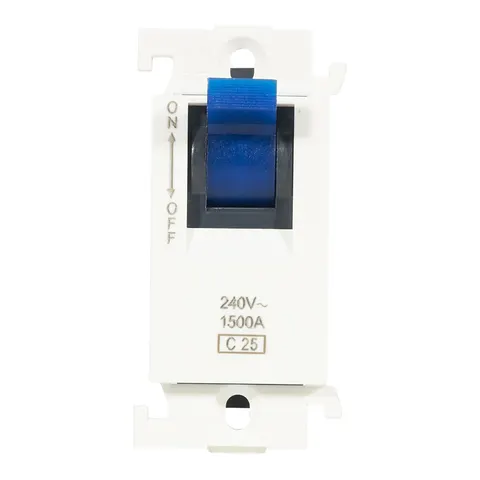
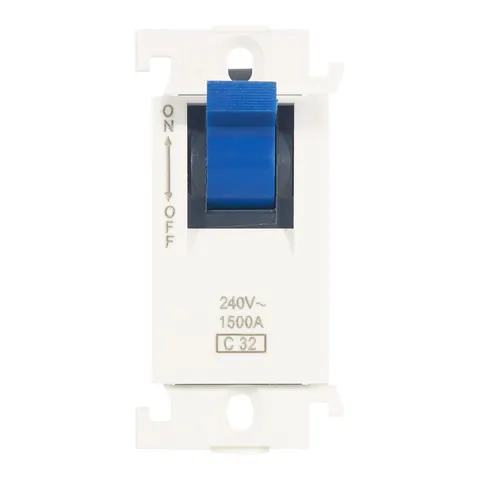
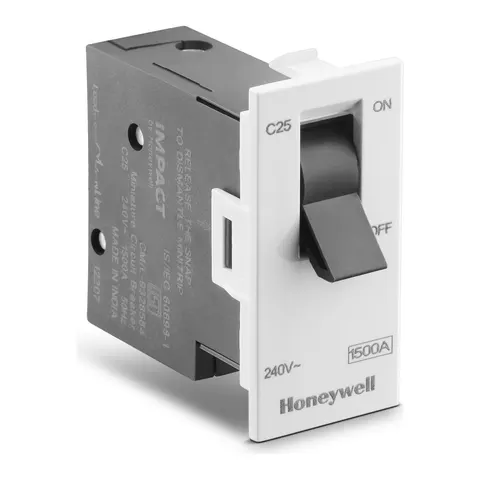
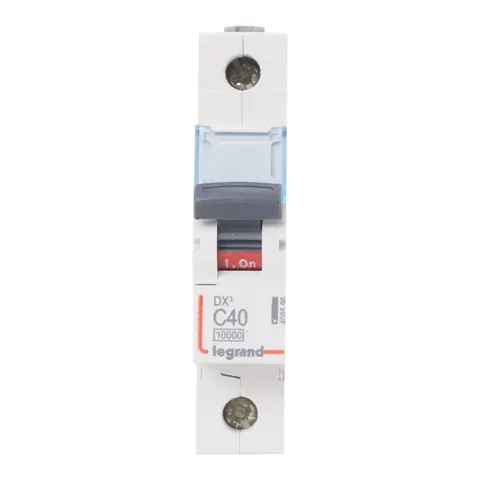
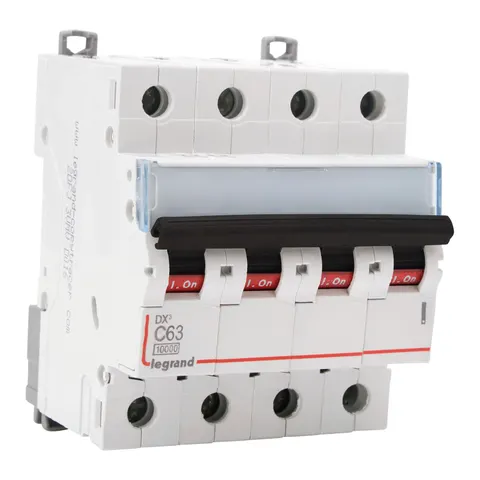
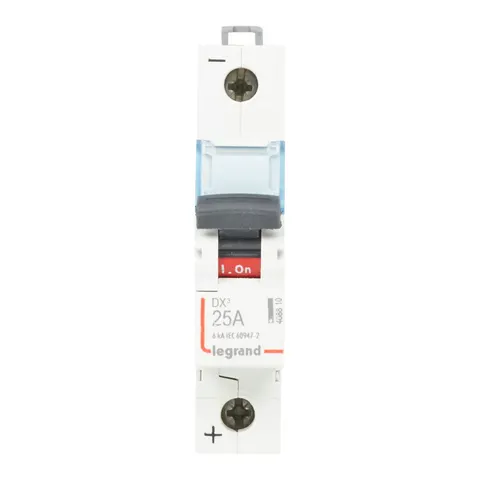
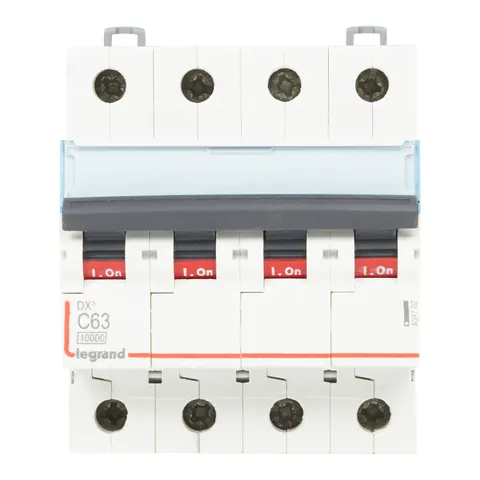
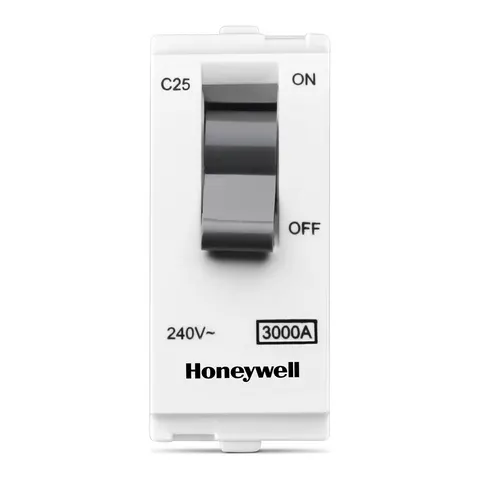
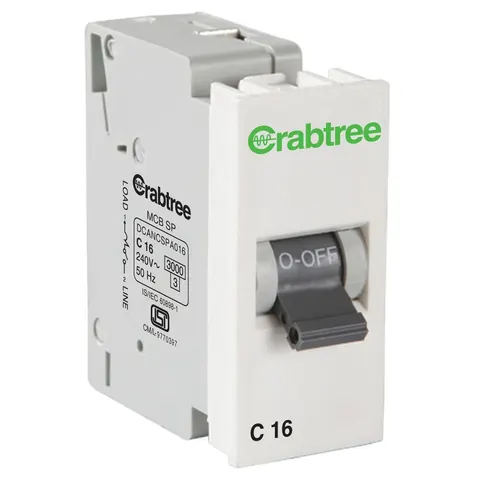
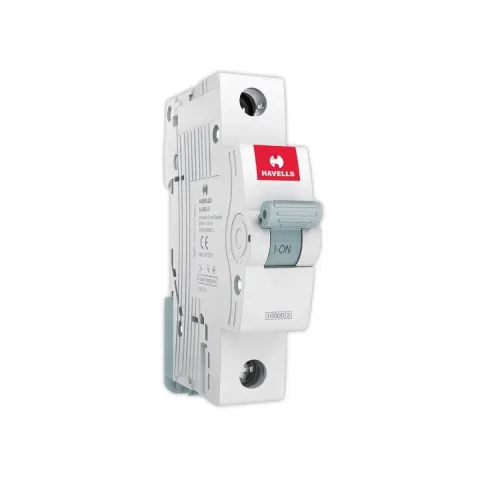
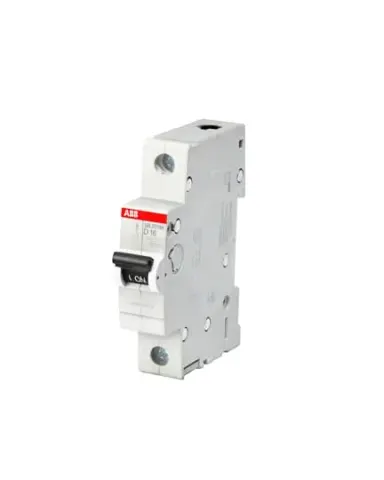
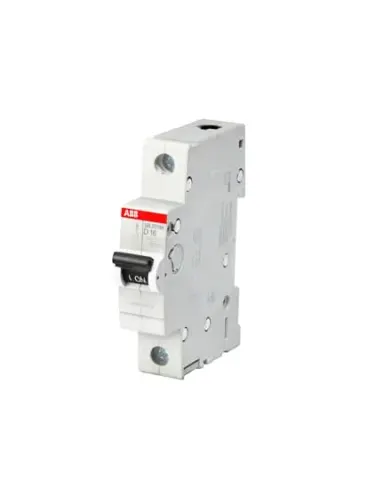
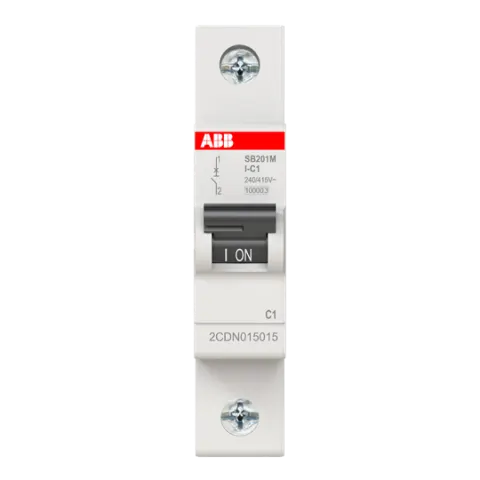
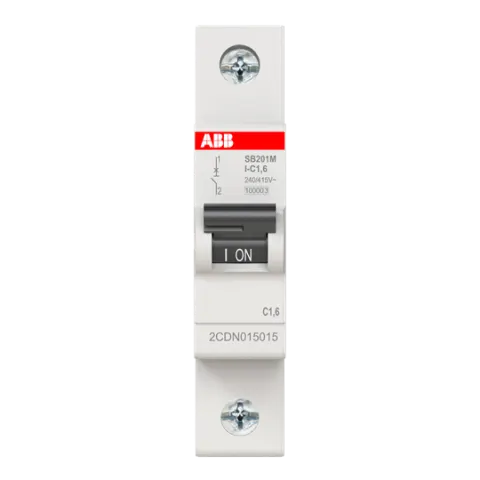
An MCB (miniature circuit breaker) trips on overload or short circuit and is reset once the fault is cleared. It protects lighting, socket and appliance circuits in homes, shops, offices and panels.
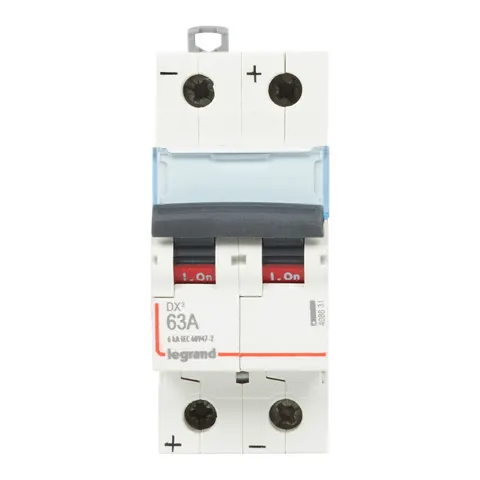
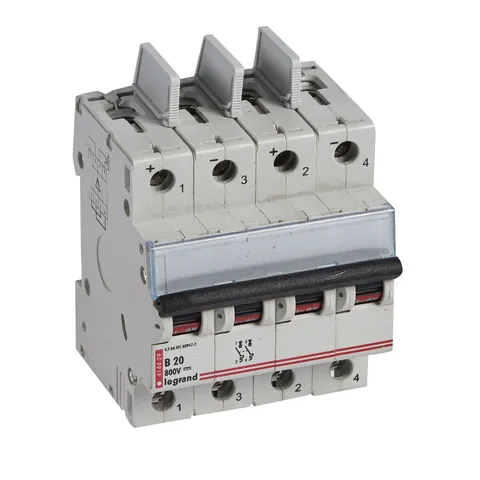
Most asked for: single pole MCB, double pole MCB, TPN and four pole MCB, 6 A, 16 A and 32 A MCB, B, C and D curve, DC MCB for solar.
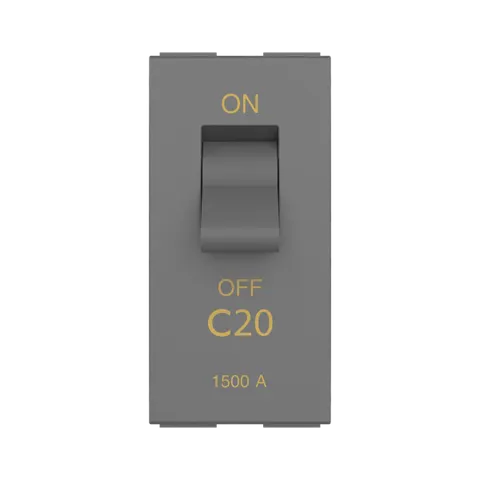
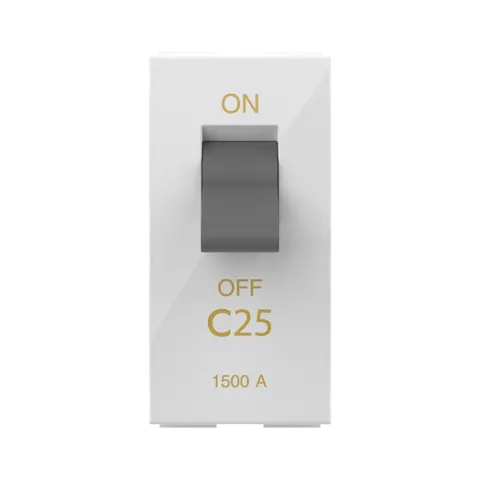
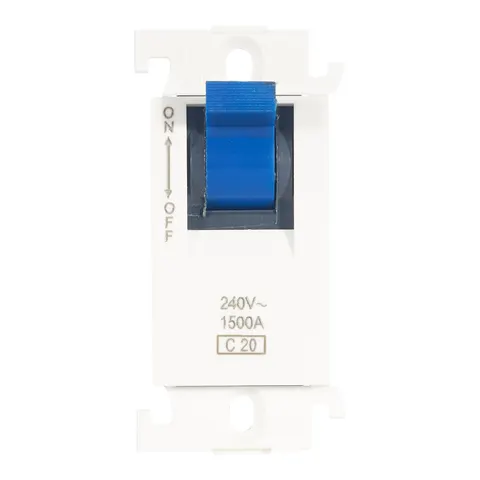
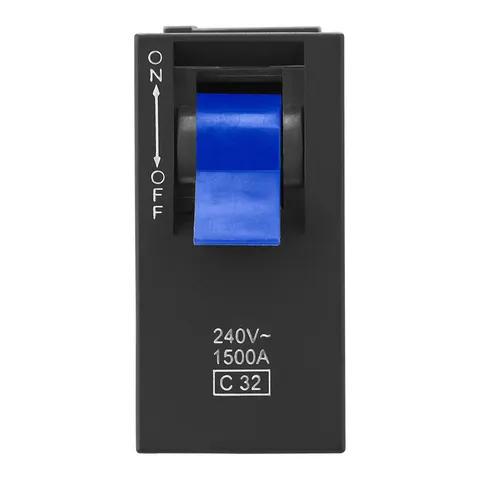
Pick the rating just above the circuit's full load current and never above what the wire can carry. As a rule of thumb in a home: 6 A for lighting, 16 A for a socket circuit, 20 A for a geyser or 1.5 ton AC, 32 A for a larger AC or a sub-main. The wire size decides the upper limit: 1.5 sq mm takes up to 16 A, 2.5 sq mm up to 20 A, 4 sq mm up to 32 A.
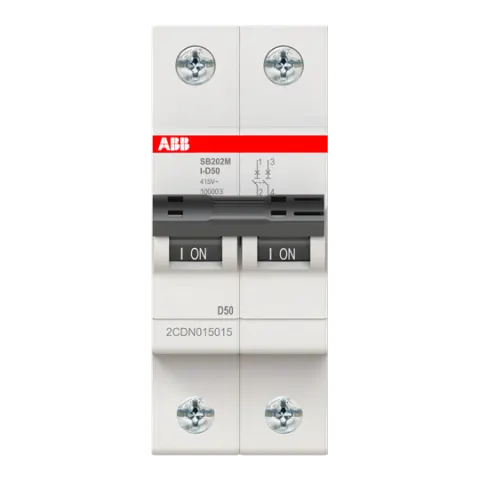
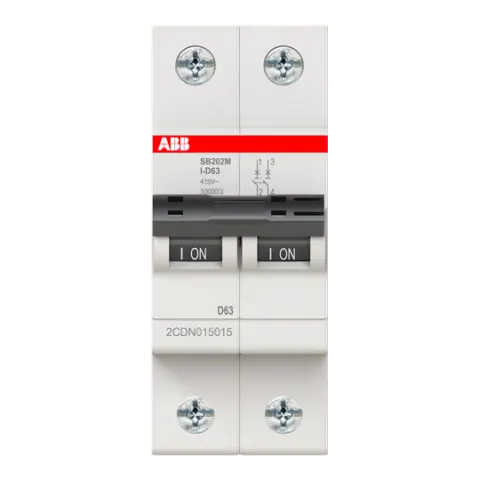
The curve is how much surge the MCB lets through before it trips instantly. B curve trips at 3 to 5 times its rating and suits lighting and resistive loads. C curve trips at 5 to 10 times and is the usual choice for homes, offices and mixed loads. D curve trips at 10 to 20 times and is for motors, transformers and other loads with a heavy starting current.
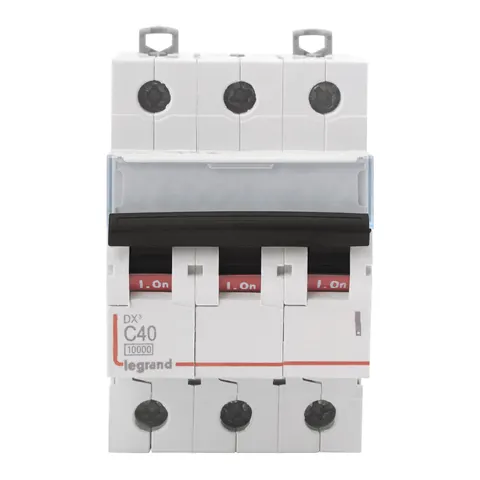
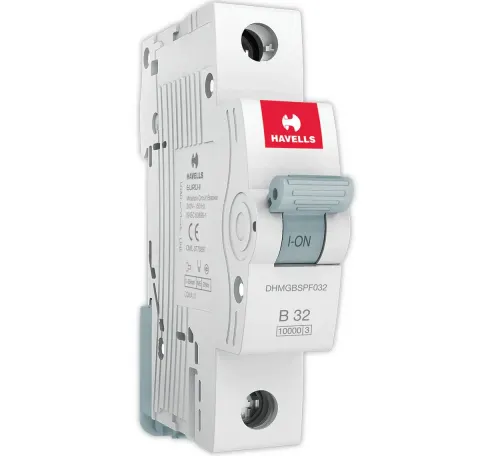
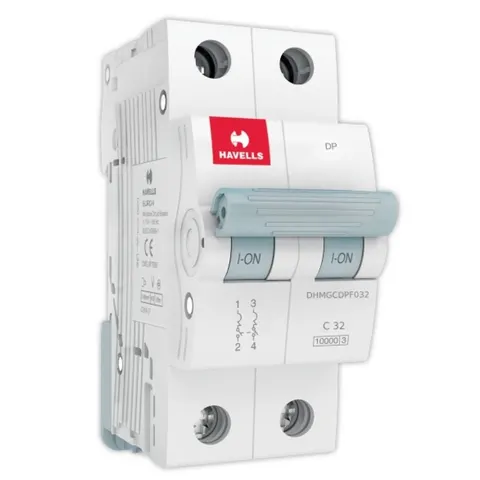
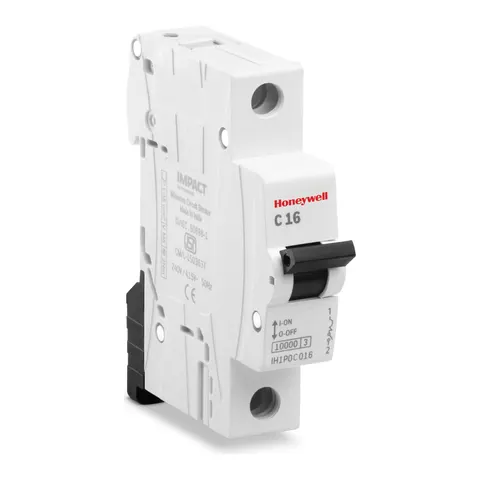
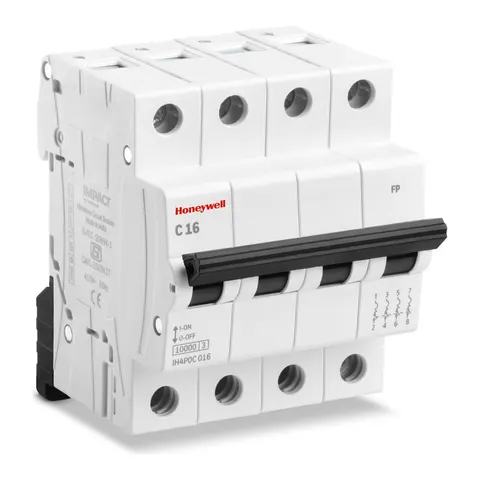
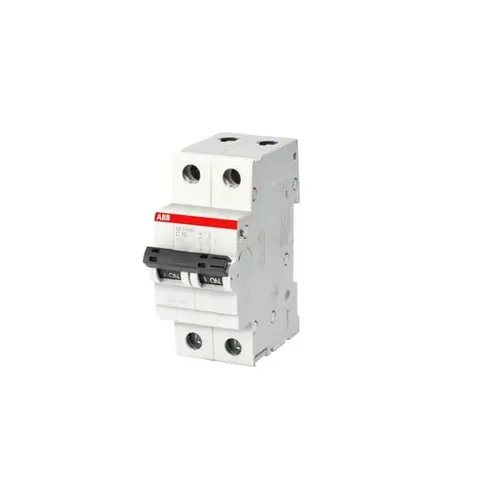
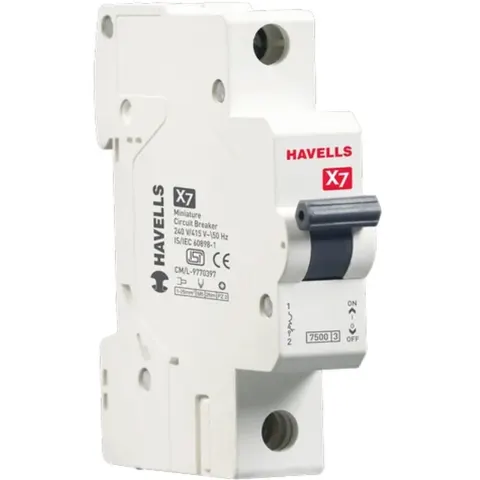
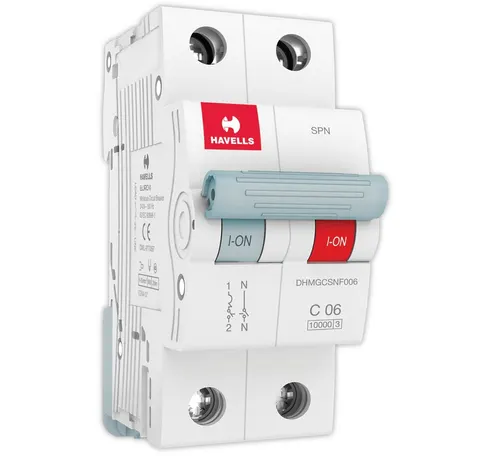
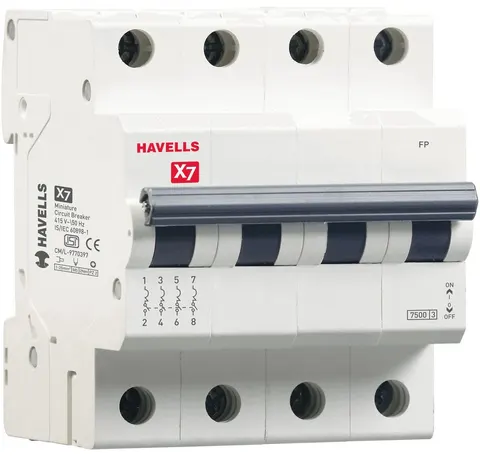
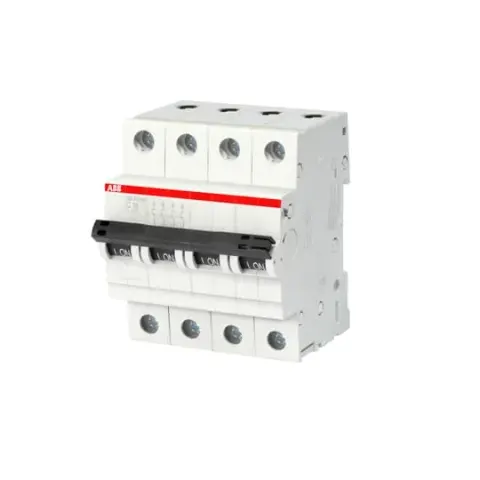
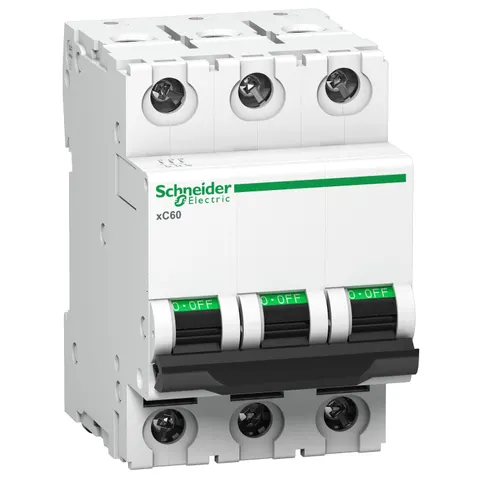
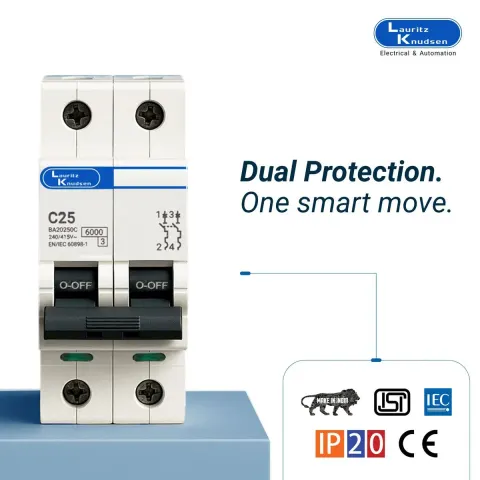
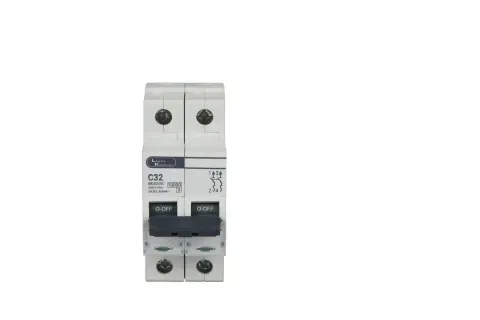
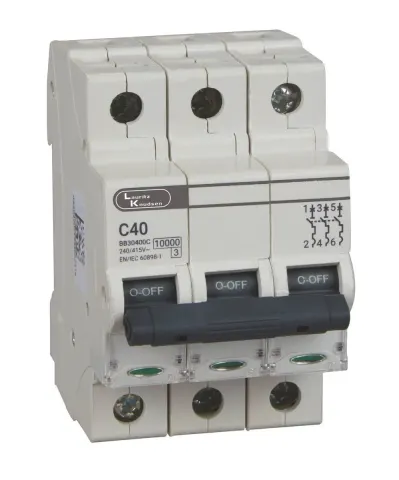
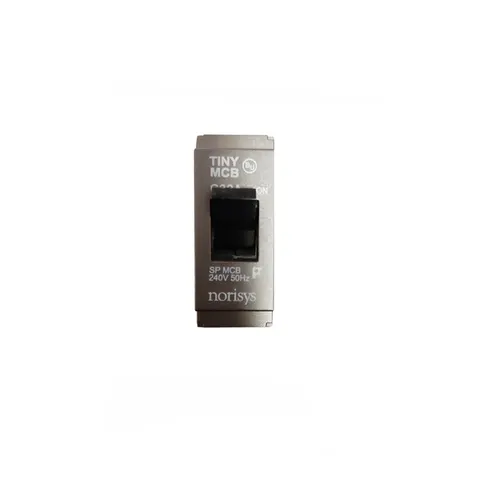
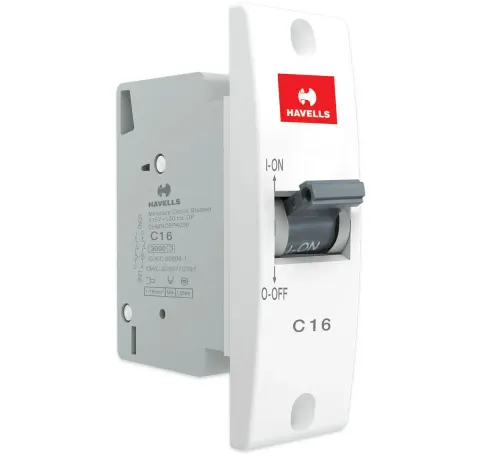
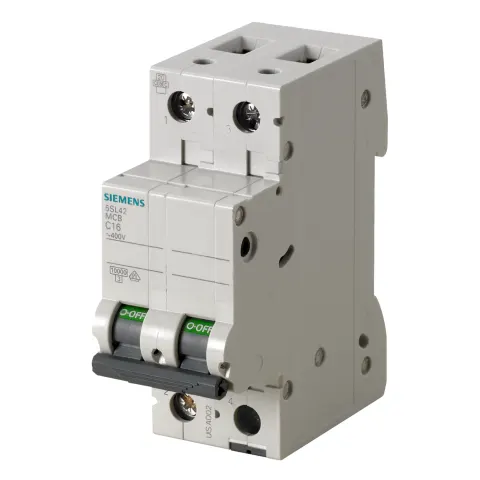
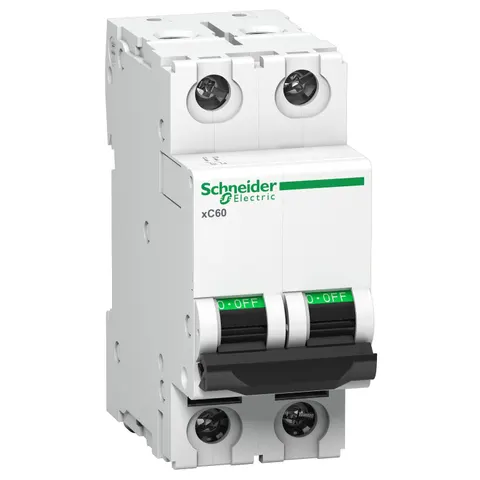
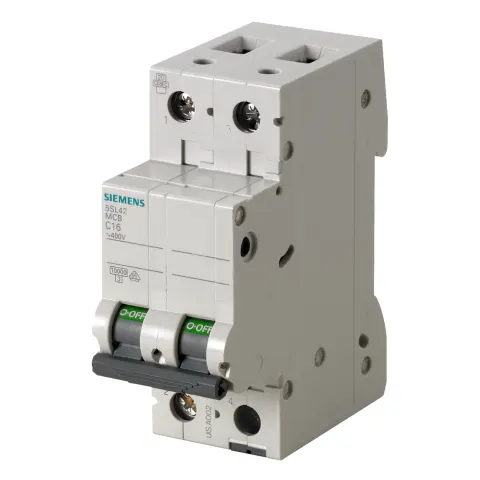
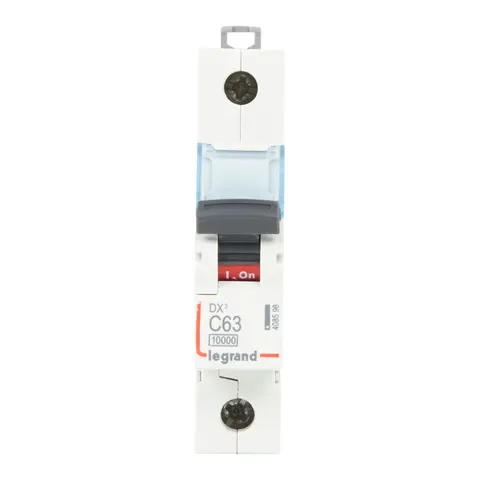
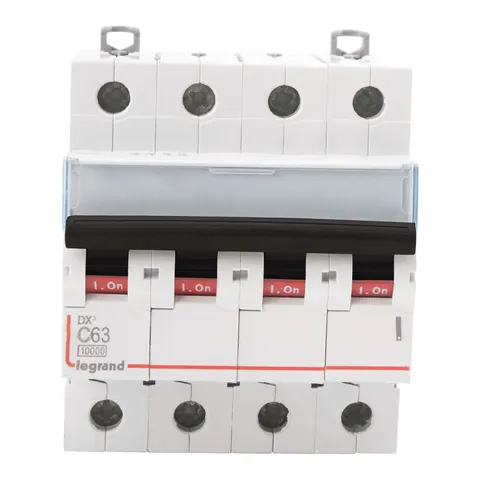
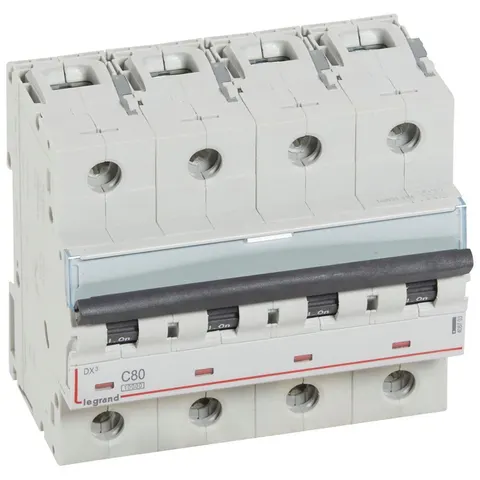
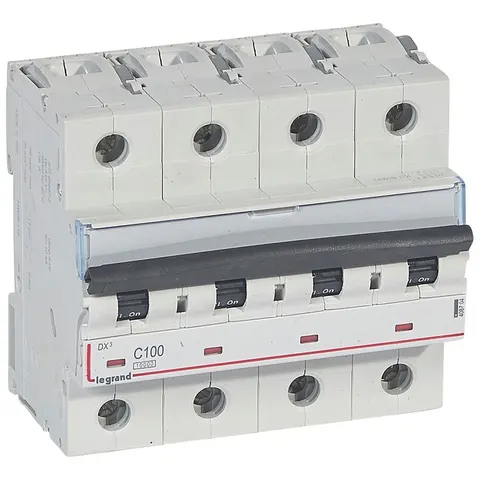
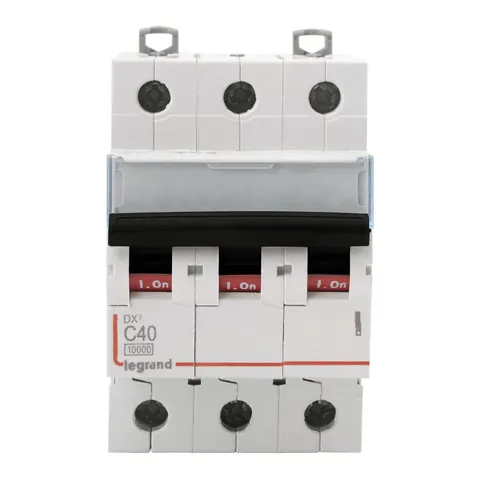
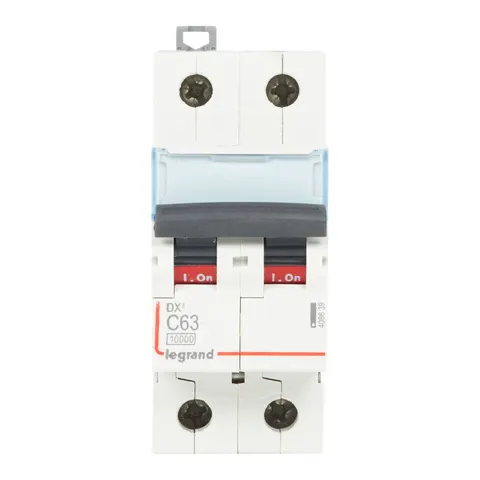
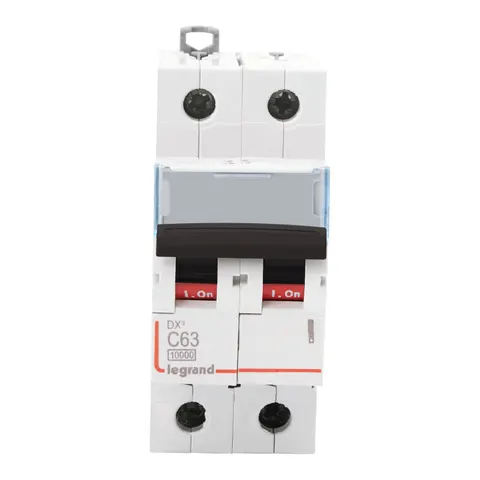
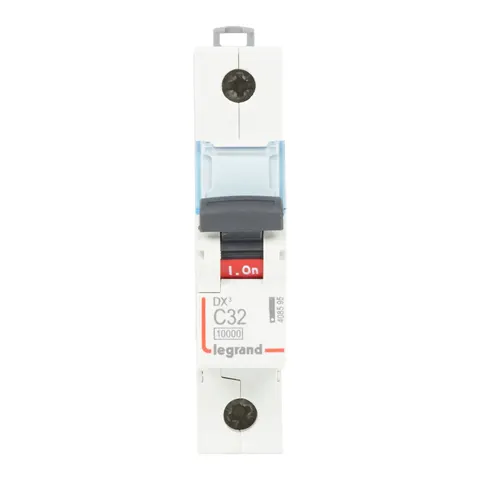
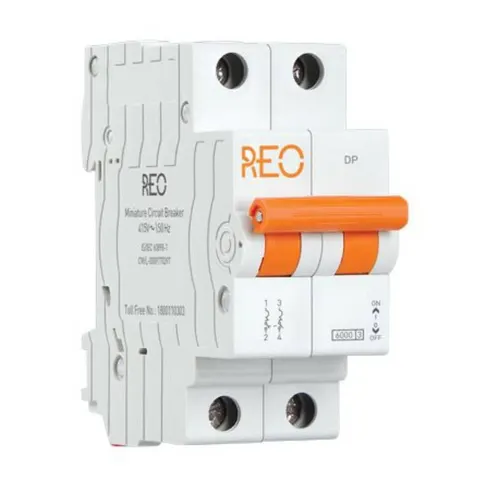
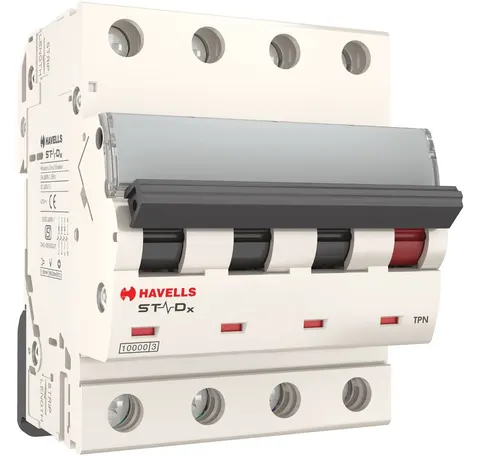
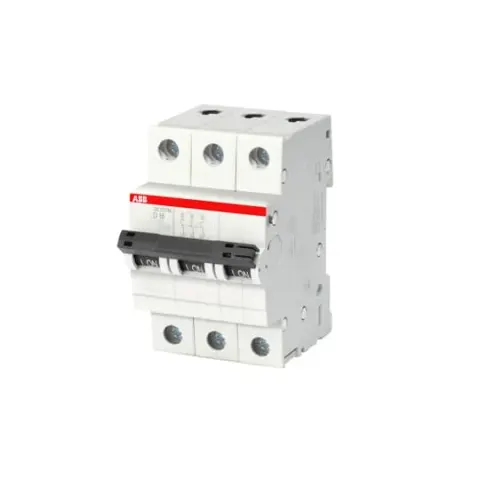
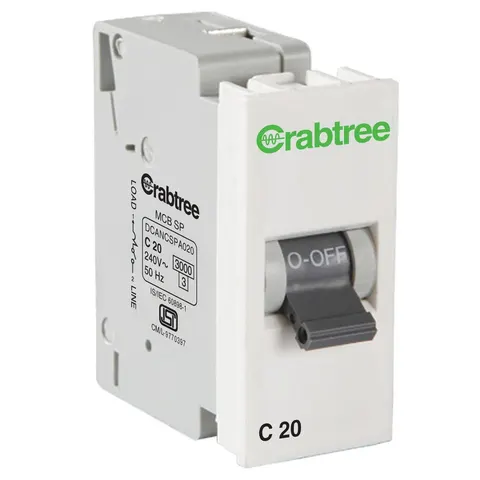
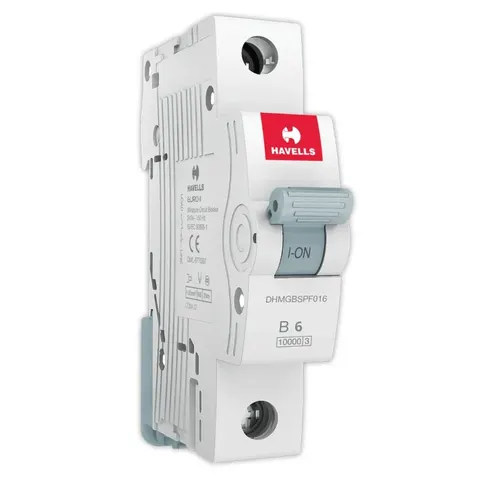
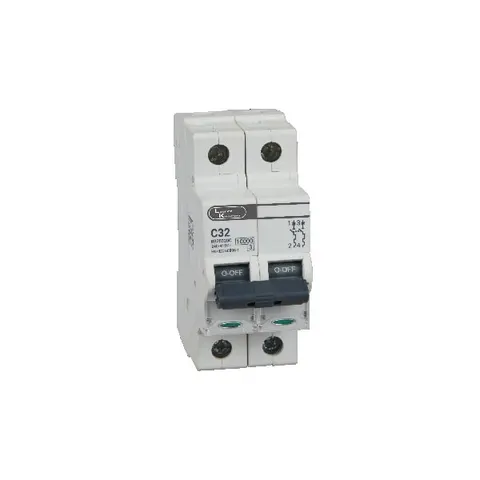
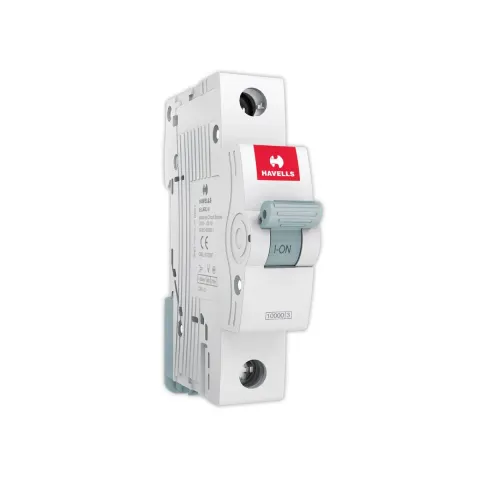
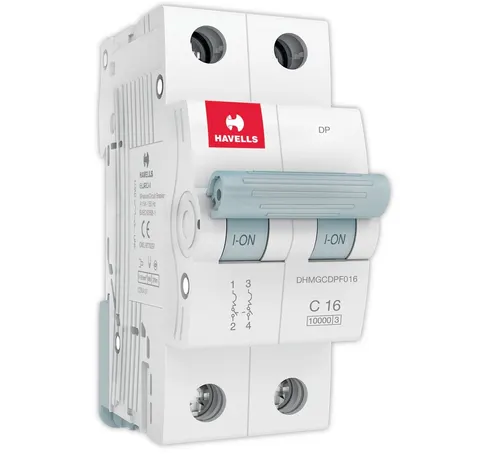
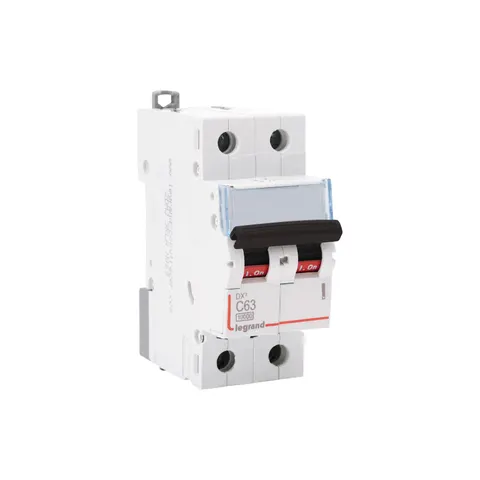
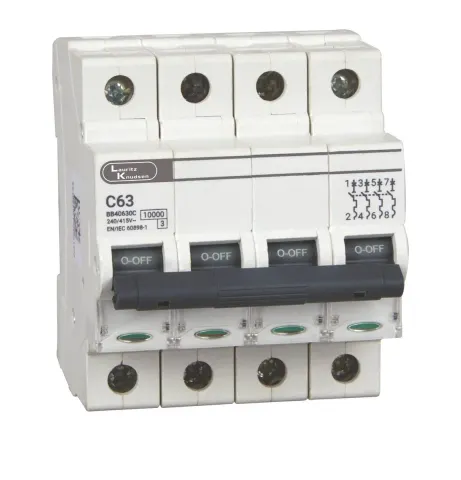
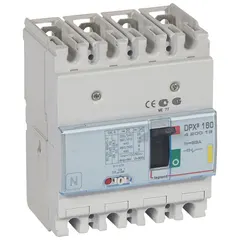
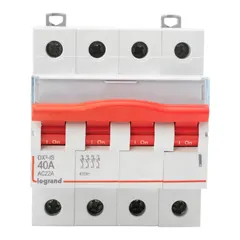
A single pole (SP) MCB breaks the phase only and is used for individual circuits. A double pole (DP) MCB breaks phase and neutral together and is used as the incomer of a single phase board. Three pole (TP) and four pole (FP or TPN) MCBs are for three phase circuits, with or without a switched neutral.
Breaking capacity is the largest fault current the MCB can interrupt safely. 6 kA is enough for most final circuits in a home. Choose 10 kA near the supply transformer, in commercial and industrial boards, and wherever the consultant's fault level calculation asks for it.