

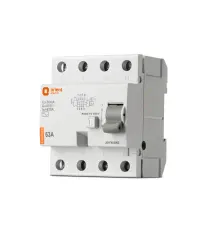
 201DA30063↓ 22% off MRP

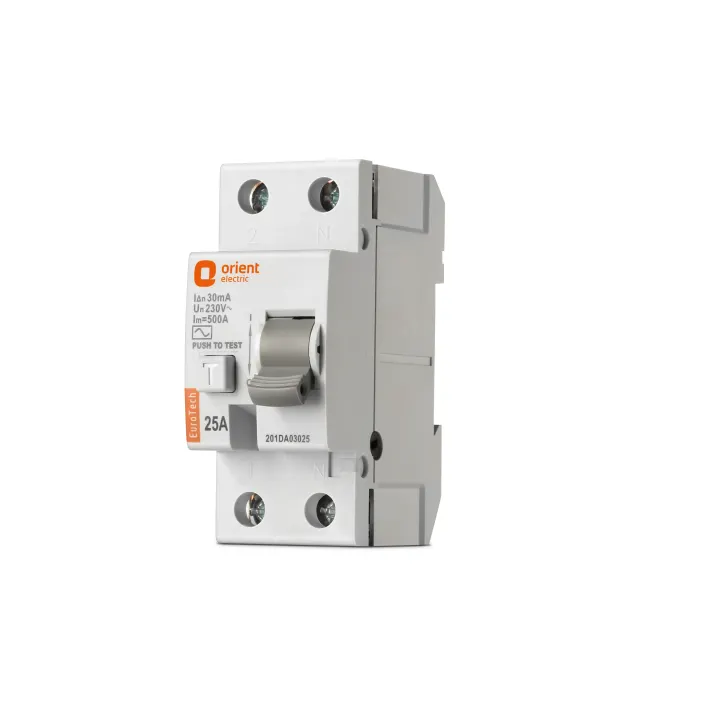
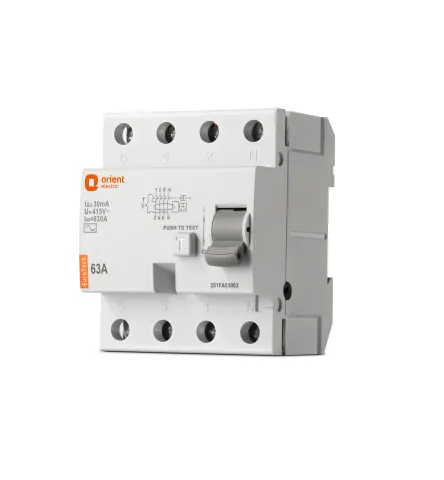
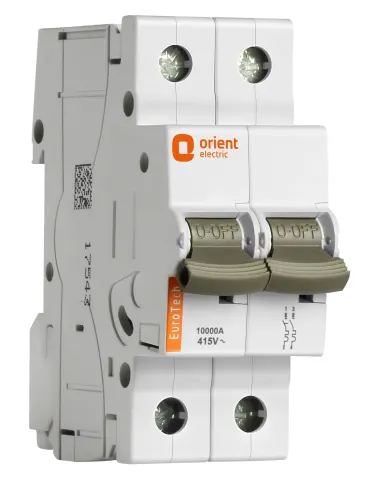
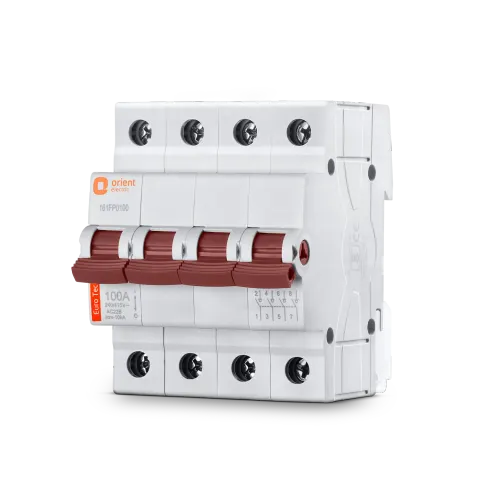
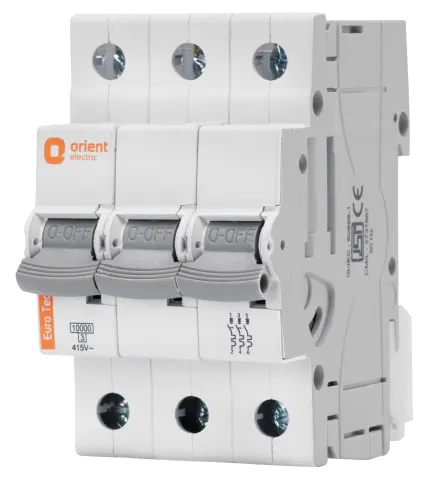
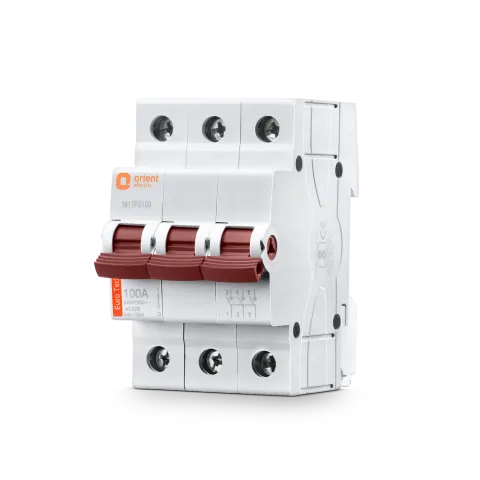
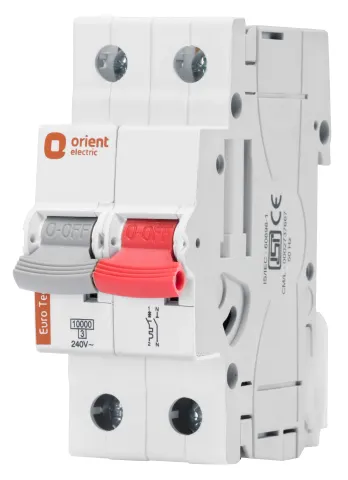
Orient Eurotech RCCB Double Pole · 300 mA · 63 A
Orient Eurotech RCCB Double Pole · 300 mA · 63 A: Elume price today ₹3,993 per pc incl. GST, 22% below the ₹5,088 MRP. The price has held steady for the last 30 days.
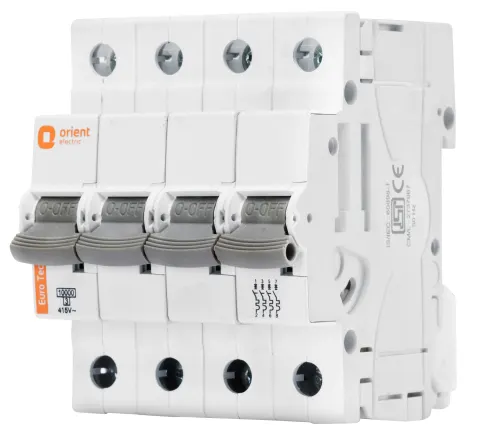
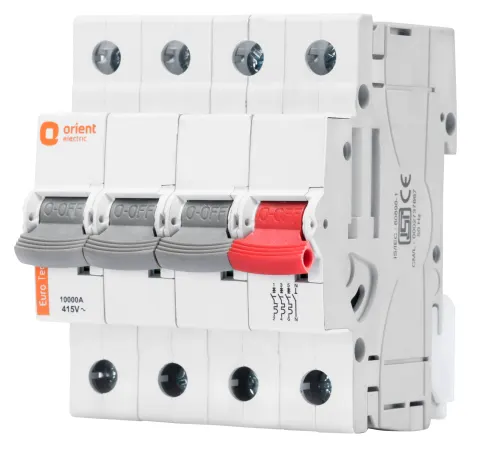
Bi-Directional Connection Terminal- Ensures easy and reliable connection from both line and load sides. Advanced Air Circulation Channels- Designed for efficient heat dissipation and enhanced performance. Easy Dismantling Mechanism- Provides convenient installation and maintenance. Positive Flag Indication- Clear visual indication for ON/OFF or trip status. Pad Locking Provision- Enables secure locking for added operational safety. Protective Terminal Covers- Enhances user safety by preventing accidental contact. SDB Technology- Integrated advanced technology for improved operational reliability. Overheat Sensing Technology- Detects abnormal temperature rise for enhanced protection. No Manual Thermal Bi-Metal Adjustment Required- Factory-calibrated design ensures consistent performance and reliability. Reduced Welding Joints- Improves product durability and electrical efficiency. Enhanced Arc Quenching System- Provides faster and safer arc suppression during operation. Line-Load Reversibility- Allows flexible installation from either side. Easy DIN Rail Clipping- Ensures quick and hassle-free mounting. Low Power Consumption- Optimized design for improved energy efficiency. 35 mm² Cable Terminal Capacity- Supports larger cable sizes for better connectivity. RoHS Compliant- Manufactured in accordance with environmental safety standards. IP20 Protection- Provides protection against accidental finger contact with live parts.
Is 30mA or 100mA RCCB right for home?
For protecting people from shock, use 30mA on circuits feeding sockets, bathrooms, kitchens and outdoor points. 100mA or 300mA RCCBs are mainly for fire protection and are often used upstream as a main device, with 30mA protection on the final circuits.
What sensitivity is this RCCB?
This RCCB trips at a residual (leakage) current of 300mA. 30mA is the standard for personal shock protection, while 100mA and 300mA are used for equipment and fire protection.
Does an RCCB need an MCB with it?
Yes. An RCCB only detects earth leakage and does not protect against overload or short circuit, so it must be backed up by an MCB or fuse of a rating given in the manufacturer's data (RCCBs are covered by IS 12640 (Part 1)).
Why does my RCCB keep tripping?
Common causes are genuine leakage from a faulty appliance (often a geyser element, pump or washing machine), moisture in wiring, neutral of one circuit being shared with another, or many electronic loads adding up their small leakages. Switch off all MCBs and turn them on one by one to find the culprit circuit, and have an electrician test insulation; never bypass the RCCB.
What is the difference between Type AC and Type A RCCB?
Type AC detects only sinusoidal AC leakage, while Type A also detects pulsating DC leakage produced by electronic loads like inverter ACs, washing machines, induction cooktops and LED drivers. Type A is the safer choice for modern homes with many electronic appliances; EV chargers and VFDs may need Type B or a charger with built-in DC detection.
How often should I press the test button?
Manufacturers commonly recommend pressing the test button regularly, often once a month; check the interval in the product's instructions. The RCCB should trip immediately, and if it does not, have an electrician check and replace it.
What current rating RCCB do I need - 25A, 40A or 63A?
The RCCB's rated current should be equal to or higher than the MCB or main switch feeding it, because it must carry the full load current. Many Indian homes use 40A or 63A RCCBs at the incomer; for a single circuit, 25A is common.