
🚚 Free delivery over ₹4,000 pan-India · we also ship worldwide · Buying in bulk? Get a quote in 24 hours →
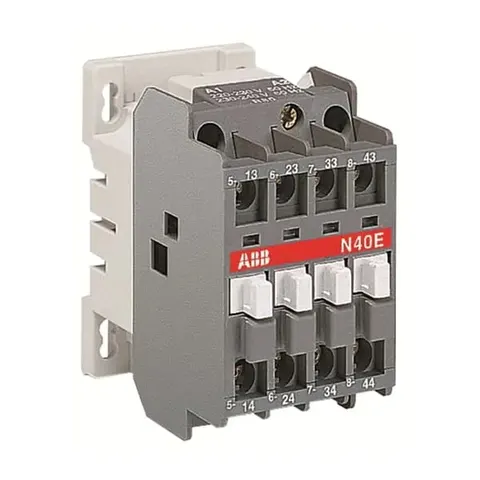
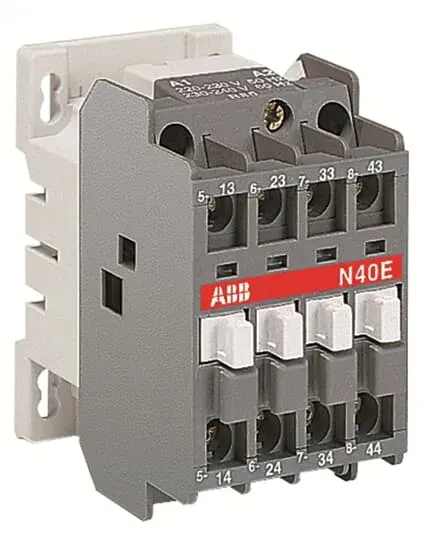
ABB N31E 230-240V 50Hz / 240-260V 60Hz Contactor Relay · 1SBH141001R88311SBH141001R8831↓ 53% off
BrandABB
CategorySwitchgear
SpecificationN31E 230-240V 50Hz / 240-260V 60Hz · Auxilary Contactors
Brand SKU1SBH141001R8831
AvailabilityIn stock · ships in 24h
Delivery8 to 15 business days after dispatch
ABB· In stock
Visit the ABB store

ABB N31E 230-240V 50Hz / 240-260V 60Hz Contactor Relay · 1SBH141001R8831

$23.68/pc-53%
$50.15
Wholesale · 15+ units
$22.49 /pc
Add to cart
Buy now
Delivery in 8 to 15 business days after dispatch
Buying in bulk? Ask our Export desk for a quote.
$23.68 /pc
Delivery in 8 to 15 business days
🏷️
100% genuine
Brand-authorised stock, sourced through authorised channels
🧾
Export invoice
Every international order ships with an export invoice for customs
🌍
Worldwide delivery
Dispatched from Ghaziabad, India · fee by weight, shown at checkout
📦
Wholesale built in
Wholesale price at 15+ units: $22.49/pc on this product, applied automatically

N... contactor relays are used for switching auxiliary circuits and control circuits - Poles: 4-pole contactor relays (mechanically linked contact elements available) - Control circuit: AC operated with laminated magnet circuit - Accessories: a wide range of accessories is available.
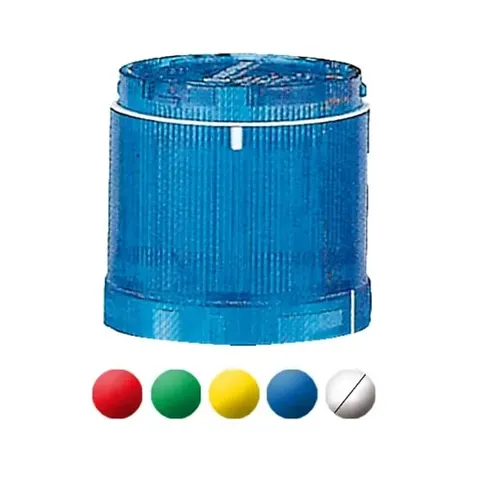
As published by ABB. Verify critical parameters against the datasheet before specifying.
ABB ABB N31E 230-240V 50Hz / 240-260V 60Hz Contactor Relay · 1SBH141001R8831 · 1SBH141001R8831
Device typeContactor
SeriesAuxilary Contactors
FrequencySupply Circuit 50 60 Hz
Insulation voltage (Ui)acc. to UL/CSA 600 V
Country of originBulgaria
Reference standardIS/IEC 60898-1
BrandABB
Brand SKU1SBH141001R8831
ELINE9GF933H49
Sold asPer pc
Operate TimeBetween Coil De-energization and NC Contact Closing 9 ... 16 millisecond
Package Width78 mm
Product ClassBlock Contactors
Terminal TypeScrew Terminals
Package Height47 mm
Package Length79 mm
Coil ConsumptionHolding at Max. Rated Control Circuit Voltage 50 Hz 8 2 V - A
Rated Frequency (f)Supply Circuit 50 60 Hz
Package Gross Weight0.34 kg
Extended Product TypeN31E 230-240V 50Hz / 240-260V 60Hz
Rated Frequency Limits25 ... 400 Hz
Ambient Air TemperatureClose to Contactor for Storage -60 ... +80 °C
Number of Aux Contacts NC1
Number of Aux Contacts NO3
Rated Insulation Voltage (Ui)acc. to UL/CSA 600 V
Rated Control Circuit Voltage (Uc)50 Hz 230-240V
Rated Operational Current AC-15 (Ie)(220 / 240 V) 4 A
Rated Operational Current DC-13 (Ie)(125 V) 0.55 / 69 A
Conventional Free-air Thermal Current (Ith)acc. to IEC 60947-5-1, q = 40 °C 16 A
Rated Breaking Capacity acc. to IEC 60947-5-110 x Ie AC-15
Automation & Control Rated Operational VoltageMain Circuit 690 V
Product RangeAuxilary Contactors
Ratings as published by ABB (shop.in.abb.com listing for 1SBH141001R8831, 15 Nov 2026). Verify critical parameters against the datasheet before specifying.
Read: Contactor Sizing for 400 V and 415 V Motors: kW to Amps, AC-3 Ratings and Overload Relays →
What size contactor do I need for a 7.5 kW motor?
A 7.5 kW three-phase motor at 400 V draws about 14.5 A, so a contactor rated at least 16 to 18 A at AC-3 is the usual choice, with an overload relay set to the nameplate current.
What is the difference between AC-1 and AC-3?
AC-1 is the rating for resistive loads such as heaters; AC-3 is the rating for switching squirrel-cage motors in normal duty. Motors are always sized on the AC-3 figure, which is lower.
How many amps per kW for a three-phase motor?
At 400 V, roughly 2 A per kW for small motors, falling towards about 1.8 A per kW above 30 kW, because larger motors run at a better power factor and efficiency. Use the nameplate for the exact figure.
How do I choose a contactor for my motor?

Select by the contactor's AC-3 current (or kW) rating at your supply voltage, which should be at least the motor's full-load current from the nameplate. Do not go by the higher AC-1 rating, which applies only to resistive loads (contactors are covered by IS/IEC 60947-4-1).

What is the difference between AC-1 and AC-3 rating?

AC-1 is for non-inductive or slightly inductive loads like heaters, while AC-3 is for starting and stopping squirrel cage motors. The same contactor has a much lower AC-3 rating than AC-1, and AC-4 (inching or plugging) is even more demanding.

Does a contactor protect the motor?

No. A contactor only switches the motor on and off; overload protection needs a thermal overload relay and short-circuit protection needs an MPCB, MCB, MCCB or fuses upstream.

Why is my contactor humming or chattering?

Common causes are low or fluctuating control voltage, a wrong coil voltage, dust or rust on the magnet faces, or a broken shading ring. Check the supply at the coil terminals first, then clean or replace the contactor if needed.

How many auxiliary contacts does this have and can I add more?

Most contactors have built-in auxiliary contacts (NO and/or NC) for holding and interlocking circuits, and many allow add-on auxiliary blocks on the front or side. Check the contact configuration and add-on compatibility in the product details.

How many contactors do I need for a star-delta starter?

A star-delta starter uses three contactors (main, delta and star), a star-delta timer and an overload relay. The main and delta contactors are typically sized at about 58% of the motor current and the star contactor smaller, as per the manufacturer's selection table.

No reviews yet