

🚚 Free delivery over ₹4,000 pan-India · we also ship worldwide · Buying in bulk? Get a quote in 24 hours →
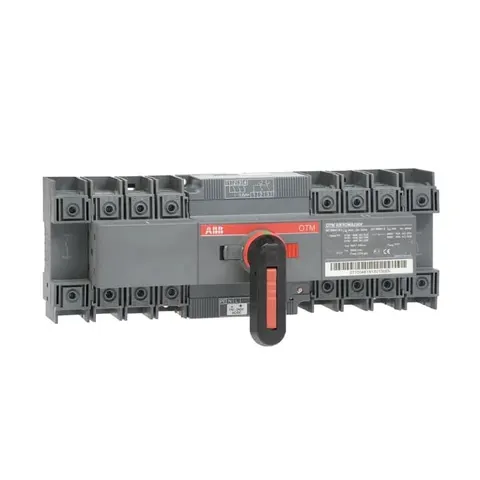
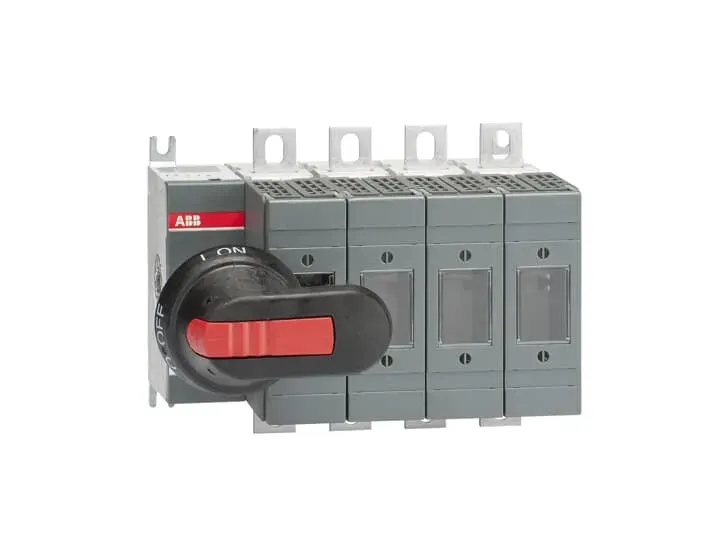
ABB OS160GD04FP SWITCH FUSE · 1SCA115402R10011SCA115402R1001
BrandABB
CategorySwitchgear
SpecificationOS160GD04FP · OS-OESA
Brand SKU1SCA115402R1001
AvailabilityIn stock · ships in 24h
Delivery8 to 15 business days after dispatch
ABB· In stock
Visit the ABB store

ABB OS160GD04FP SWITCH FUSE · 1SCA115402R1001

$580.27/pc
Wholesale · 15+ units
$551.26 /pc
Add to cart
Buy now
Delivery in 8 to 15 business days after dispatch
Buying in bulk? Ask our Export desk for a quote.
$580.27 /pc
Delivery in 8 to 15 business days
🏷️
100% genuine
Brand-authorised stock, sourced through authorised channels
🧾
Export invoice
Every international order ships with an export invoice for customs
🌍
Worldwide delivery
Dispatched from Ghaziabad, India · fee by weight, shown at checkout
📦
Wholesale built in
Wholesale price at 15+ units: $551.26/pc on this product, applied automatically

Switch Fuses,Front Operated,4-pole,04 (Left Side),DIN,000,00,Handle and shaft included,Switched - Fusible Pole
As published by ABB. Verify critical parameters against the datasheet before specifying.
ABB ABB OS160GD04FP SWITCH FUSE · 1SCA115402R1001 · 1SCA115402R1001
Device typeSwitch fuse unit
SeriesOS-OESA
Poles4P (FP)
Insulation voltage (Ui)1000 V
Impulse withstand (Uimp)8 kV
Reference standardIEC 60947-3
Country of originFinland
BrandABB
Brand SKU1SCA115402R1001
ELINEP2MCJMJ3C
Sold asPer pc
Fuse SizeNH000
StandardsIEC 60947-3
Mounting TypeBase mounting
Package Width170 mm
Product ClassSwitch Fuses
Package Height155 mm
Package Length250 mm
Number of Poles4
Package Gross Weight2.8 kg
Extended Product TypeOS160GD04FP
Rated Insulation Voltage (Ui)1000 V
Rated Impulse Withstand Voltage (Uimp)8 kV
Rated Short-time Withstand Current (Icw)for 1 s 5 kA rms
Product RangeOS-OESA
Ratings as published by ABB (shop.in.abb.com listing for 1SCA115402R1001, 15 Nov 2026). Verify critical parameters against the datasheet before specifying.
Read: Contactor Sizing for 400 V and 415 V Motors: kW to Amps, AC-3 Ratings and Overload Relays →
What size contactor do I need for a 7.5 kW motor?
A 7.5 kW three-phase motor at 400 V draws about 14.5 A, so a contactor rated at least 16 to 18 A at AC-3 is the usual choice, with an overload relay set to the nameplate current.
What is the difference between AC-1 and AC-3?
AC-1 is the rating for resistive loads such as heaters; AC-3 is the rating for switching squirrel-cage motors in normal duty. Motors are always sized on the AC-3 figure, which is lower.
How many amps per kW for a three-phase motor?
At 400 V, roughly 2 A per kW for small motors, falling towards about 1.8 A per kW above 30 kW, because larger motors run at a better power factor and efficiency. Use the nameplate for the exact figure.
What is the difference between SFU and FSU?

In a switch fuse unit (SFU), the fuses are fixed and the switch contacts operate separately, while in a fuse switch unit (FSU) the fuses are mounted on the moving part, so they are isolated on both sides when opened. FSUs are generally considered safer for fuse replacement; both are covered by IS/IEC 60947-3.

Should I replace old rewirable (kit-kat) fuses with MCBs?

Yes, in most homes it is recommended. Rewirable fuses are often refilled with the wrong wire and are slow and inconsistent, while MCBs give reliable, resettable protection; upgrading to an MCB DB with an RCCB also adds shock protection.

Can I use a fuse switch as a main switch for a motor?

Yes, fuse switches are widely used as incomers for motor feeders, typically with aM or gG HRC fuses sized to withstand the motor's starting current. The motor still needs a contactor and overload relay or a motor starter for overload protection.

Does this unit come with fuses?

Many fuse switches and switch fuse units are sold without fuse links, which are bought separately to suit the load. Check the package contents listed on the product page before ordering.

Why does a fuse keep blowing?

Repeated blowing usually means a short circuit, an overloaded circuit or a fuse rated too low for the starting current of motors. Never replace with a higher rating or wire without finding the cause; have an electrician check the load and wiring.

No reviews yet