

🚚 Free delivery over ₹4,000 pan-India · we also ship worldwide · Buying in bulk? Get a quote in 24 hours →
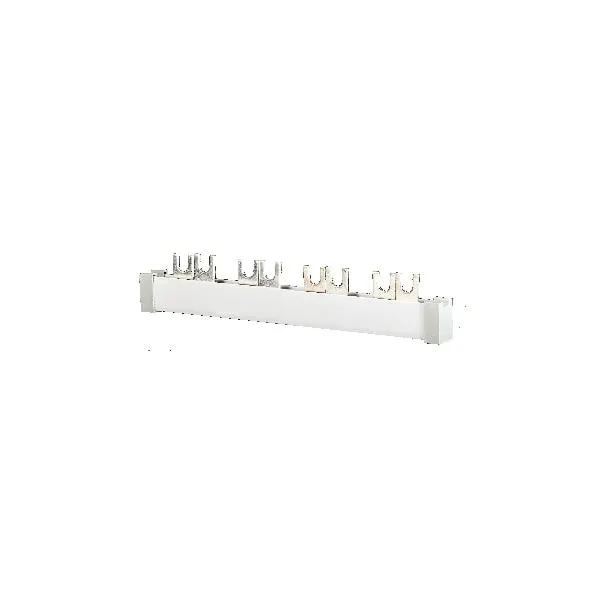
Lauritz Knudsen Fork Type Copper Busbar · 4P (FP) · 12 M · BFP12BFP12↓ 27% off
BrandLauritz Knudsen
CategoryDB & Panels
SpecificationFork type busbar · 4P (FP) · 12 modules · copper · standard pack 5
Brand SKUBFP12
AvailabilityIn stock · ships in 24h
Delivery8 to 15 business days after dispatch
Lauritz Knudsen· In stock
Visit the Lauritz Knudsen store

Lauritz Knudsen Fork Type Copper Busbar · 4P (FP) · 12 M · BFP12

$22.74/pc-27%
$31.10
Wholesale · 15+ units
$21.61 /pc
Add to cart
Buy now
Delivery in 8 to 15 business days after dispatch
Buying in bulk? Ask our Export desk for a quote.
$22.74 /pc
Delivery in 8 to 15 business days
🏷️
100% genuine
Brand-authorised stock, sourced through authorised channels
🧾
Export invoice
Every international order ships with an export invoice for customs
🌍
Worldwide delivery
Dispatched from Ghaziabad, India · fee by weight, shown at checkout
📦
Wholesale built in
Wholesale price at 15+ units: $21.61/pc on this product, applied automatically

Distribution board accessories from Lauritz Knudsen: copper fork-type bus bars, end caps, blanking plates and padlock kits.

  • Fork-type bus bars in SP, DP, TP and FP, copper
  • Blanking plates in one-module and half-module sizes
  • Padlock version with standard lock and common key
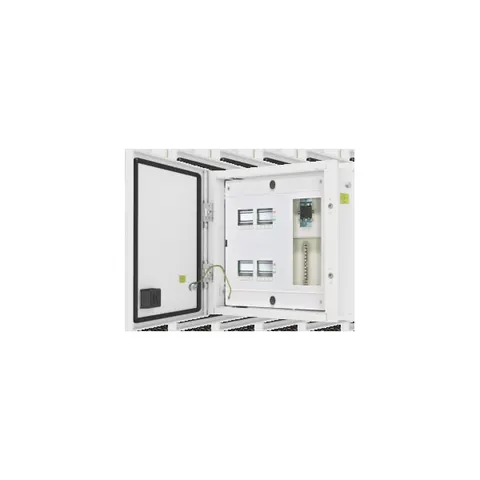
As published by Lauritz Knudsen. Verify critical parameters against the datasheet before specifying.
Lauritz Knudsen Lauritz Knudsen Fork Type Copper Busbar · 4P (FP) · 12 M · BFP12 · BFP12
Device typeFork type busbar (comb busbar)
Module size12 M
Poles4P (FP)
MaterialCopper
Enclosure typeDistribution board - SPN (single phase)
Reference standardIS 8623 / IEC 61439
BrandLauritz Knudsen
Brand SKUBFP12
ELINEJMDGFC9FF
Sold asPer pc
Ratings as published by Lauritz Knudsen (Lauritz Knudsen price list Aug 2026). Verify critical parameters against the datasheet before specifying.
Other Lauritz Knudsen ranges and models in this category, closest in price to this one.
Read: How Many Ways Should Your Distribution Board Have? 4, 8, 12 or 16 Way Explained →
What does 8 way or 12 way mean in a distribution board?
The number of single-module slots on the outgoing rail. Each single-pole MCB uses one way; wider devices like a double-pole RCCB use two or more. The usable circuit count is therefore the way count minus the width of incomer and protection devices.
How many ways do I need for a 2BHK?
Usually 8 to 12: two lighting circuits, two socket circuits, kitchen power, plus dedicated ways per AC and geyser, the RCCB's two ways, and spares. Buy 12 if the kitchen is appliance-heavy or an AC may be added later.
What is the difference between SPN and TPN distribution boards?
SPN boards serve single-phase (230 V) supplies with one phase busbar. TPN boards serve three-phase (415 V) supplies with three phase sections plus neutral, letting circuits balance across phases. Your electricity connection type decides which you need.
What is the difference between pin type and fork type busbars?

Pin type busbars have pins that fit into the MCB's busbar terminal, while fork type busbars have forks that clamp under the terminal screw. Choose the type that matches the MCBs you are using.

Will this busbar fit MCBs of another brand?

Busbars are usually designed for a standard 18mm module pitch, but terminal depth and shape can vary between brands. Check compatibility with your MCB range before buying.

Copper or aluminium busbar - which is better?

Copper has higher conductivity and is more compact for the same current, while aluminium is lighter and economical but needs larger cross-section and proper jointing. For DBs and panels, copper busbars are commonly preferred.

Why should I use blanking plates in empty DB ways?

Blanking plates (blanking modules) cover unused ways so no one can touch live busbars through the gaps. They are an essential safety part and also keep dust and insects out of the DB.

Do I need a separate neutral link for each RCCB?

Yes, when a DB has more than one RCCB, each RCCB must have its own neutral link so that neutrals of its circuits do not mix with others. Mixing neutrals causes nuisance tripping.

No reviews yet