
🚚 Free delivery over ₹4,000 pan-India · we also ship worldwide · Buying in bulk? Get a quote in 24 hours →
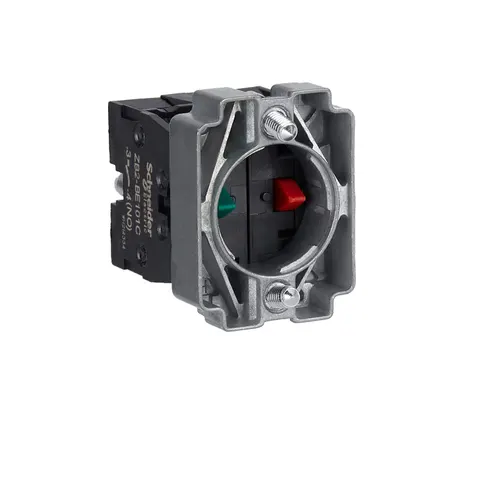
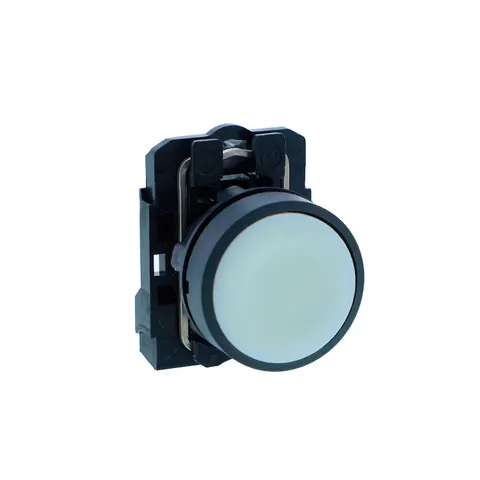
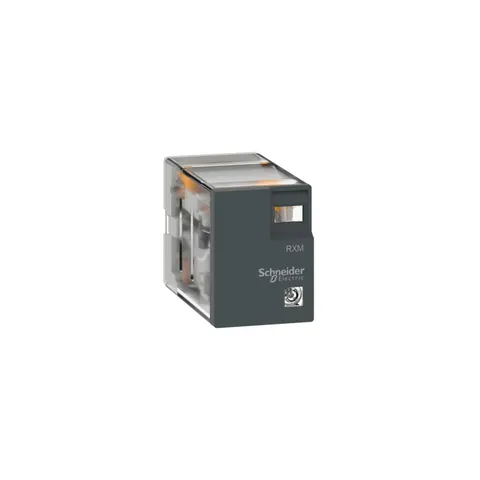
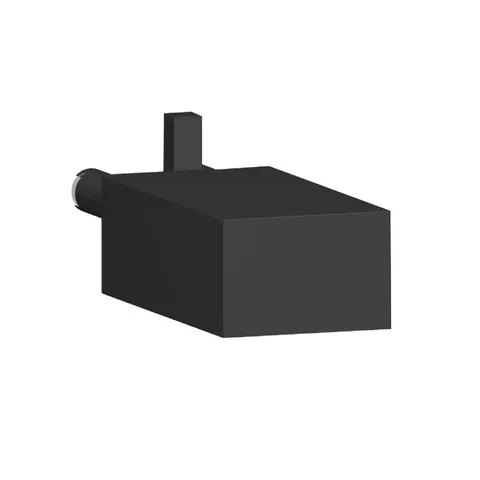
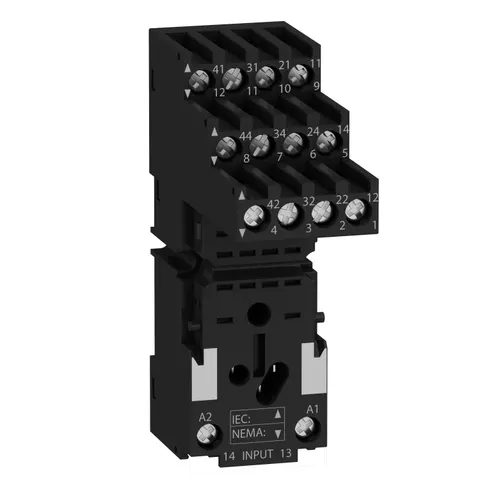
Schneider Harmony RXZ Socket · for RXM 4 C/O relays · Mixed contact · Connector terminals · RXZE2M4NRXZE2M4N↓ 40% off1 / 2
BrandSchneider
CategoryIndustrial Control
SpecificationHarmony, Socket, Harmony Relay, RXZ, mixed contact, 29 mm, 4 C/O, 7 A
Brand SKURXZE2M4N
AvailabilityIn stock · ships in 24h
Delivery8 to 15 business days after dispatch
Schneider· In stock
Visit the Schneider store

Schneider Harmony RXZ Socket · for RXM 4 C/O relays · Mixed contact · Connector terminals · RXZE2M4N

$3.76/pc-40%
$6.27
Wholesale · 15+ units
$3.69 /pc
Add to cart
Buy now
Delivery in 8 to 15 business days after dispatch
Buying in bulk? Ask our Export desk for a quote.
$3.76 /pc
Delivery in 8 to 15 business days
🏷️
100% genuine
Brand-authorised stock, sourced through authorised channels
🧾
Export invoice
Every international order ships with an export invoice for customs
🌍
Worldwide delivery
Dispatched from Ghaziabad, India · fee by weight, shown at checkout
📦
Wholesale built in
Wholesale price at 15+ units: $3.69/pc on this product, applied automatically

Schneider Harmony RXZ Socket · RXZE2M4N from Schneider Electric.
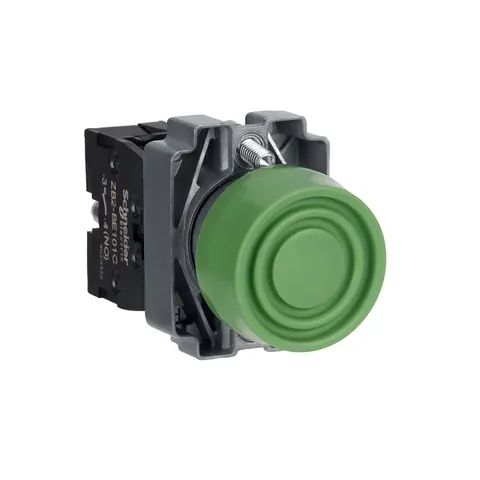
As published by Schneider. Verify critical parameters against the datasheet before specifying.
Schneider Schneider Harmony RXZ Socket · for RXM 4 C/O relays · Mixed contact · Connector terminals · RXZE2M4N · RXZE2M4N
Reference standardIEC 61984
Net weight0.056 kg
BrandSchneider
Brand SKURXZE2M4N
ELINEDFRKCPMK6
Sold asPer pc
Width27 mm
MarkingCE
StandardsIEC 61984
Terminalsconnector terminals
Fixing modeBy screw (panel) · Clip-on (35 mm symmetrical DIN rail)
Contact typemixed contact
CompatibilityRXM 4 C/O
Pollution degree3
Range of productHarmony Electromechanical Relays
Device short nameRXZ
Tightening torque< 0.8 N.m for M3 screw(s)
Dielectric strength2500 V
Overvoltage categoryIII
Product compatibilityPlug-in relay RXM with 4 C/O contact
Connections - terminalsConnector, 1 x 0.2...1 x 2.5 mm² (24 AWG...14 AWG) flexible with cable end · Connector, 2 x 0.2...2 x 1.5 mm² (24 AWG...16 AWG) flexible with cable end · Connector, 1 x 0.5...1 x 2.5 mm² (20 AWG...14 AWG) solid without cable end · Connector, 2 x 0.5...2 x 1.5 mm² (20 AWG...16 AWG) solid without cable end
Product or component typeSocket
Contacts type and composition4 C/O
Sale per indivisible quantity10
[Ui] rated insulation voltage250 V
[Ue] rated operational voltage< 250 V
Ambient air temperature for storage-40…85 °C
Ambient air temperature for operation-40…55 °C
[Uimp] rated impulse withstand voltage3.6 kV
[Ith] conventional free air thermal current7 A
Ratings as published by Schneider (se.com). Verify critical parameters against the datasheet before specifying.
Other Schneider ranges and models in this category, closest in price to this one.
Which terminal block size do I need for my wire?

Choose by the conductor cross-section and current, such as 2.5 sq mm terminals for control wiring and 4, 6, 10 sq mm or larger for power wiring. The terminal's rated cross-section should be equal to or higher than the wire size (terminal blocks are covered by IEC 60947-7-1).

What is the difference between screw, spring and push-in terminals?

Screw terminals are tightened with a screwdriver and are widely used, spring-clamp terminals hold the wire with spring pressure and resist loosening from vibration, and push-in terminals let you insert solid or ferruled wires directly without tools. Spring and push-in types save wiring time and need less re-tightening.

Do I need end plates and end stoppers?

Yes. End plates cover the open side of the last terminal to prevent accidental contact, and end stoppers hold the terminal row firmly on the DIN rail. Most terminal blocks need these ordered separately.

Are earth terminals different from normal terminals?

Yes, earth (PE) terminals are green-yellow and make direct electrical contact with the DIN rail, which must itself be earthed (IEC 60947-7-2). They should be used for all protective earth connections in the panel.

Should I use ferrules with terminal blocks?

For stranded and flexible wires, crimped ferrules (lugs) are recommended to prevent loose strands and ensure a secure connection. Push-in terminals usually need ferrules for flexible wire.

No reviews yet