
🚚 Free delivery over ₹4,000 pan-India · we also ship worldwide · Buying in bulk? Get a quote in 24 hours →
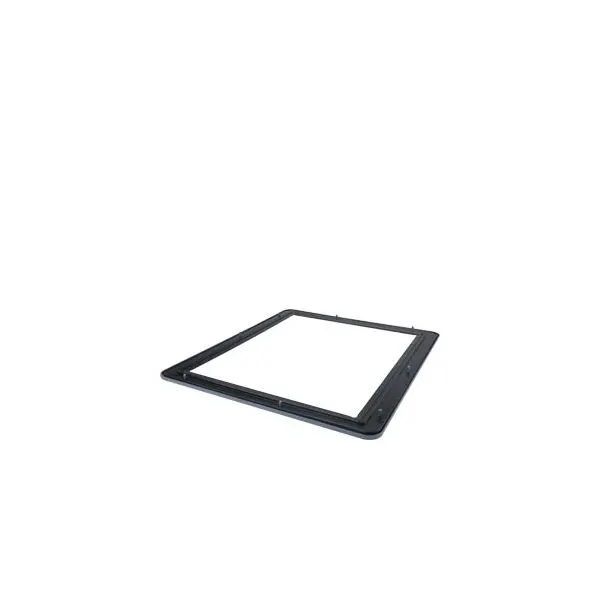
Siemens Sinova 3WJ9 Door Sealing Frame · IP41 · For 3WJ ACB · 3WJ9111-0AP013WJ9111-0AP01↓ 40% off
BrandSiemens
CategorySwitchgear
SpecificationACB
Brand SKU3WJ9111-0AP01
AvailabilityIn stock · ships in 24h
Delivery8 to 15 business days after dispatch
Siemens· In stock
Visit the Siemens store

Siemens Sinova 3WJ9 Door Sealing Frame · IP41 · For 3WJ ACB · 3WJ9111-0AP01

$55.55/pc-40%
$92.59
Wholesale · 15+ units
$52.79 /pc
Add to cart
Buy now
Delivery in 8 to 15 business days after dispatch
Buying in bulk? Ask our Export desk for a quote.
$55.55 /pc
Delivery in 8 to 15 business days
🏷️
100% genuine
Brand-authorised stock, sourced through authorised channels
🧾
Export invoice
Every international order ships with an export invoice for customs
🌍
Worldwide delivery
Dispatched from Ghaziabad, India · fee by weight, shown at checkout
📦
Wholesale built in
Wholesale price at 15+ units: $52.79/pc on this product, applied automatically

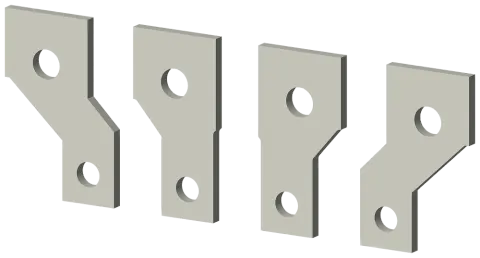
Siemens Sinova 3WJ9 Rear Vertical Main Connection (article 3WJ9111-0AP01) is a acb from Siemens, sold by Elume with a GST invoice and pan-India delivery. Priced at the Siemens India list price of 2026 (MRP before GST Rs 5,405), GST included in the price shown.
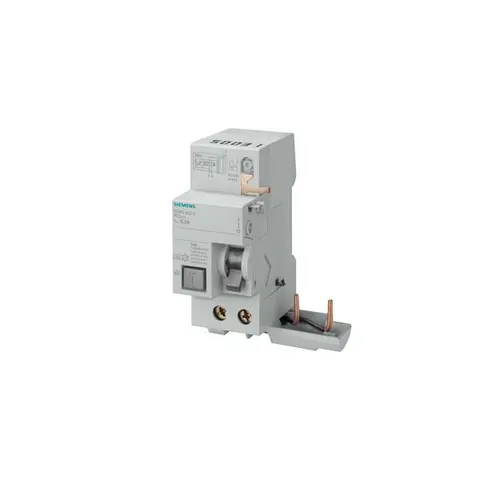
As published by Siemens. Verify critical parameters against the datasheet before specifying.
Siemens Siemens Sinova 3WJ9 Door Sealing Frame · IP41 · For 3WJ ACB · 3WJ9111-0AP01 · 3WJ9111-0AP01
Device typeACB
Reference standardIS/IEC 60898-1
BrandSiemens
Brand SKU3WJ9111-0AP01
ELINED2JK7RKFF
Sold asPer pc
Ip ratingIP41
For use with3WJ ACB
Ratings as published by Siemens (Elume). Verify critical parameters against the datasheet before specifying.
Other Siemens ranges and models in this category, closest in price to this one.
Read: Contactor Sizing for 400 V and 415 V Motors: kW to Amps, AC-3 Ratings and Overload Relays →
What size contactor do I need for a 7.5 kW motor?
A 7.5 kW three-phase motor at 400 V draws about 14.5 A, so a contactor rated at least 16 to 18 A at AC-3 is the usual choice, with an overload relay set to the nameplate current.
What is the difference between AC-1 and AC-3?
AC-1 is the rating for resistive loads such as heaters; AC-3 is the rating for switching squirrel-cage motors in normal duty. Motors are always sized on the AC-3 figure, which is lower.
How many amps per kW for a three-phase motor?
At 400 V, roughly 2 A per kW for small motors, falling towards about 1.8 A per kW above 30 kW, because larger motors run at a better power factor and efficiency. Use the nameplate for the exact figure.
When is an ACB used instead of an MCCB?

ACBs are used for very high currents, typically 630A up to 6300A, mostly as transformer or main LT panel incomers and bus couplers. They offer high short-time withstand (Icw), advanced releases and maintainability that MCCBs usually do not; both are covered by IS/IEC 60947-2.

What is the difference between fixed and draw-out ACB?

A fixed ACB is bolted directly into the panel, while a draw-out ACB sits in a cradle and can be racked out for testing or maintenance without disturbing the busbars. Draw-out is preferred for main incomers and critical supplies where quick replacement and safe isolation matter.

What is EDO and MDO in an ACB?

MDO (manually operated draw-out) is closed and opened by hand, while EDO (electrically operated draw-out) has a motor and closing/shunt coils for remote operation, auto changeover with DG sets and synchronising schemes. Choose EDO if the ACB will be part of an automatic transfer or SCADA/BMS system.

How do I select the ACB rating for my transformer?

As a rule of thumb, the incomer ACB is rated slightly above the transformer's full-load LT current (about 1.39A per kVA at 415V, so a 1000 kVA transformer needs roughly 1400A, usually a 1600A ACB). The breaking capacity must also exceed the transformer's LT fault level; a qualified electrical engineer should confirm the selection.

Does an ACB need regular maintenance?

Yes. ACBs need periodic inspection of contacts, arc chutes, mechanism lubrication and release testing as per the manufacturer's maintenance schedule, typically at least once a year or after a major fault trip. Maintenance should only be done by trained personnel with the ACB racked out and isolated.

No reviews yet