


🚚 Free delivery over ₹4,000 pan-India · we also ship worldwide · Buying in bulk? Get a quote in 24 hours →
8GB9902
BrandSiemens
CategoryDB & Panels
SpecificationDistribution board / enclosure · price on request
Brand SKU8GB9902
AvailabilityOn order · confirmed within 7 days of your enquiry
DeliveryDelivery as per availability, confirmed within 7 days
Siemens· In stock
Visit the Siemens store

Siemens Betagard 8GB99 Blanking Plate · 1.5 MW · 8GB9902

Price on request
Availability and price confirmed within 7 days. Add it to your cart and check out: no payment is taken for this item, we email you the price and you decide. GST invoice as always.
Add to enquiry
Send enquiry
Delivery in 8 to 15 business days after dispatch
Buying in bulk? Ask our Export desk for a quote.
Price on request
Availability and price confirmed within 7 days
🏷️
100% genuine
Brand-authorised stock, sourced through authorised channels
🧾
Export invoice
Every international order ships with an export invoice for customs
🌍
Worldwide delivery
Dispatched from Ghaziabad, India · fee by weight, shown at checkout
✉️
Quoted on enquiry
Add it to your cart and check out: we confirm availability and price within 7 days, with no payment until you accept the quote

Siemens 8GB99 Distribution board / enclosure (article 8GB9902) is a distribution board / enclosure from Siemens, sold by Elume with a GST invoice and pan-India delivery. Price on request: add it to your cart and check out, and we confirm availability and price within 7 days by email.
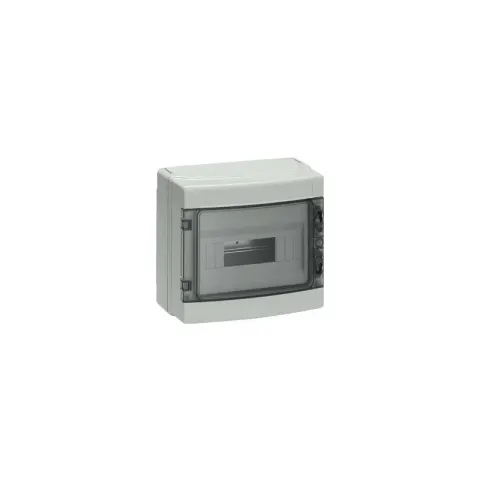
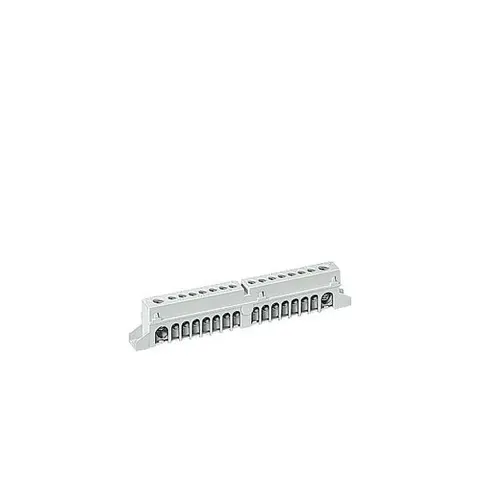
As published by Siemens. Verify critical parameters against the datasheet before specifying.
Siemens Siemens Betagard 8GB99 Blanking Plate · 1.5 MW · 8GB9902 · 8GB9902
Device typeDistribution board / enclosure
Enclosure typeDistribution board - SPN (single phase)
Reference standardIS 8623 / IEC 61439
BrandSiemens
Brand SKU8GB9902
ELINE9JPF33MP7
Sold asPer pc
Module width1.5 MW
Ratings as published by Siemens (Elume). Verify critical parameters against the datasheet before specifying.
Read: How Many Ways Should Your Distribution Board Have? 4, 8, 12 or 16 Way Explained →
What does 8 way or 12 way mean in a distribution board?
The number of single-module slots on the outgoing rail. Each single-pole MCB uses one way; wider devices like a double-pole RCCB use two or more. The usable circuit count is therefore the way count minus the width of incomer and protection devices.
How many ways do I need for a 2BHK?
Usually 8 to 12: two lighting circuits, two socket circuits, kitchen power, plus dedicated ways per AC and geyser, the RCCB's two ways, and spares. Buy 12 if the kitchen is appliance-heavy or an AC may be added later.
What is the difference between SPN and TPN distribution boards?
SPN boards serve single-phase (230 V) supplies with one phase busbar. TPN boards serve three-phase (415 V) supplies with three phase sections plus neutral, letting circuits balance across phases. Your electricity connection type decides which you need.
What is the difference between pin type and fork type busbars?

Pin type busbars have pins that fit into the MCB's busbar terminal, while fork type busbars have forks that clamp under the terminal screw. Choose the type that matches the MCBs you are using.

Will this busbar fit MCBs of another brand?

Busbars are usually designed for a standard 18mm module pitch, but terminal depth and shape can vary between brands. Check compatibility with your MCB range before buying.

Copper or aluminium busbar - which is better?

Copper has higher conductivity and is more compact for the same current, while aluminium is lighter and economical but needs larger cross-section and proper jointing. For DBs and panels, copper busbars are commonly preferred.

Why should I use blanking plates in empty DB ways?

Blanking plates (blanking modules) cover unused ways so no one can touch live busbars through the gaps. They are an essential safety part and also keep dust and insects out of the DB.

Do I need a separate neutral link for each RCCB?

Yes, when a DB has more than one RCCB, each RCCB must have its own neutral link so that neutrals of its circuits do not mix with others. Mixing neutrals causes nuisance tripping.

No reviews yet