

 A9C20868↓ 40% off1 / 2

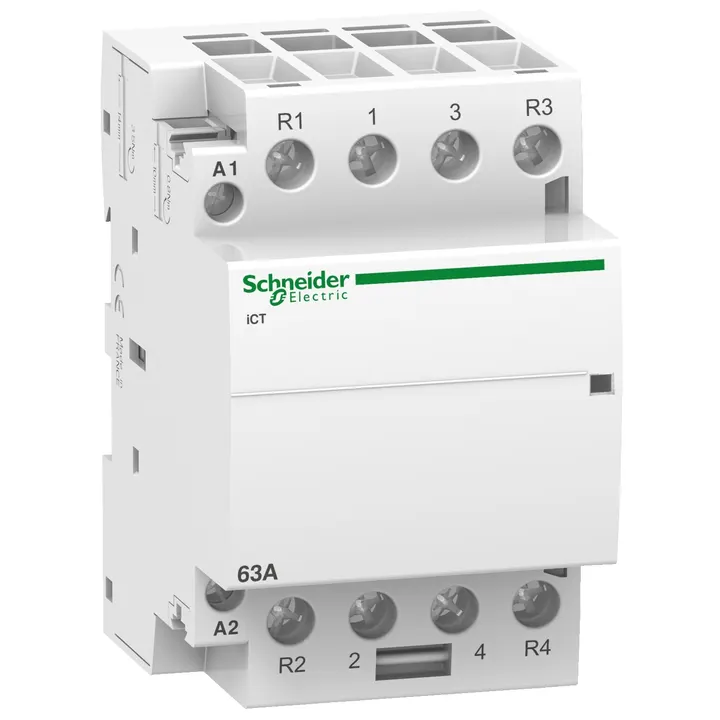
Schneider Acti9 iCT Power Contactor · 63 A AC-3 · 2 NO + 2 NC aux · 220-240 V AC 50 Hz coil · A9C20868
This Acti9 iCT is a modular contactor. It is a 4P remote control device with 2 normally open contacts and 2 normally close contacts. The rated current is 63A for AC-7a and 20A for AC-7b. The Ue rated operational voltage is 400VAC. The Uc control voltage is 220VAC to 240VAC. This device could be used for control circuits. This device could be used for remote switching lighting loads, small motors (fans, mixers) or HVAC system applications. It is compatible with all the Acti9 control auxiliaries, for lighting, heating & ventilation control applications. This product is compliant with IEC/EN 61095. Electrical endurance goes up to 100000 cycles for AC-7A or AC-1, 30000 cycles for AC-7C, AC-7B, AC-3, AC-5A or AC-5B The maximum switching operations is 6 per minute. The Ui rated insulation voltage is 500VAC. The Uimp rated impulse withstand voltage is 4kV. Pollution degree is 2. It is DIN rail mountable. Its width is 6 pitches of 9mm. The product color is white (RAL9003). The dimensions are (W) 85mm x (H) 54mm x (D) 60mm. According to IEC 60529 standard, the degree of protection is IP20 and IP40 in enclosure. The operating temperature is from -5°C to 60 °C. The storage temperature is from
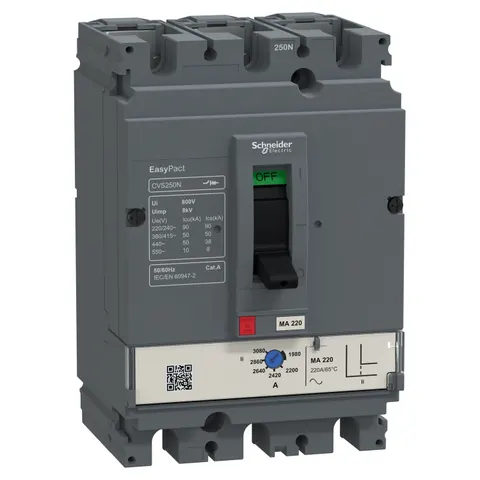
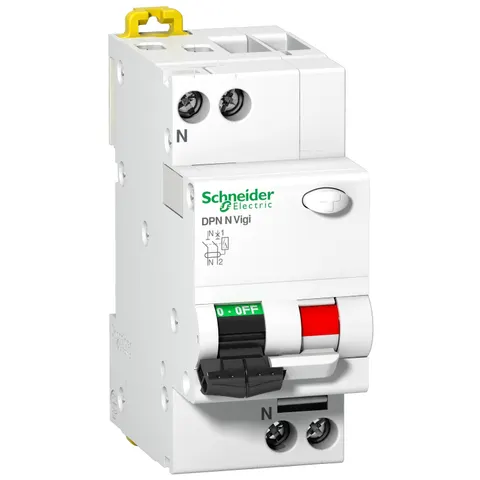
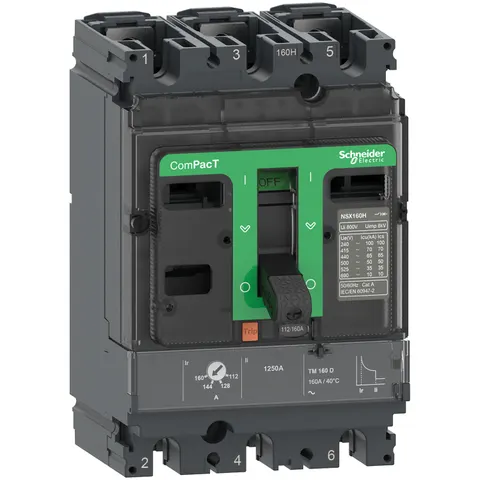
How do I choose a contactor for my motor?
Select by the contactor's AC-3 current (or kW) rating at your supply voltage, which should be at least the motor's full-load current from the nameplate. Do not go by the higher AC-1 rating, which applies only to resistive loads (contactors are covered by IS/IEC 60947-4-1).
What is the difference between AC-1 and AC-3 rating?
AC-1 is for non-inductive or slightly inductive loads like heaters, while AC-3 is for starting and stopping squirrel cage motors. The same contactor has a much lower AC-3 rating than AC-1, and AC-4 (inching or plugging) is even more demanding.
Does a contactor protect the motor?
No. A contactor only switches the motor on and off; overload protection needs a thermal overload relay and short-circuit protection needs an MPCB, MCB, MCCB or fuses upstream.
Why is my contactor humming or chattering?
Common causes are low or fluctuating control voltage, a wrong coil voltage, dust or rust on the magnet faces, or a broken shading ring. Check the supply at the coil terminals first, then clean or replace the contactor if needed.
How many auxiliary contacts does this have and can I add more?
Most contactors have built-in auxiliary contacts (NO and/or NC) for holding and interlocking circuits, and many allow add-on auxiliary blocks on the front or side. Check the contact configuration and add-on compatibility in the product details.
How many contactors do I need for a star-delta starter?
A star-delta starter uses three contactors (main, delta and star), a star-delta timer and an overload relay. The main and delta contactors are typically sized at about 58% of the motor current and the star contactor smaller, as per the manufacturer's selection table.