

 A9N61537↓ 40% off

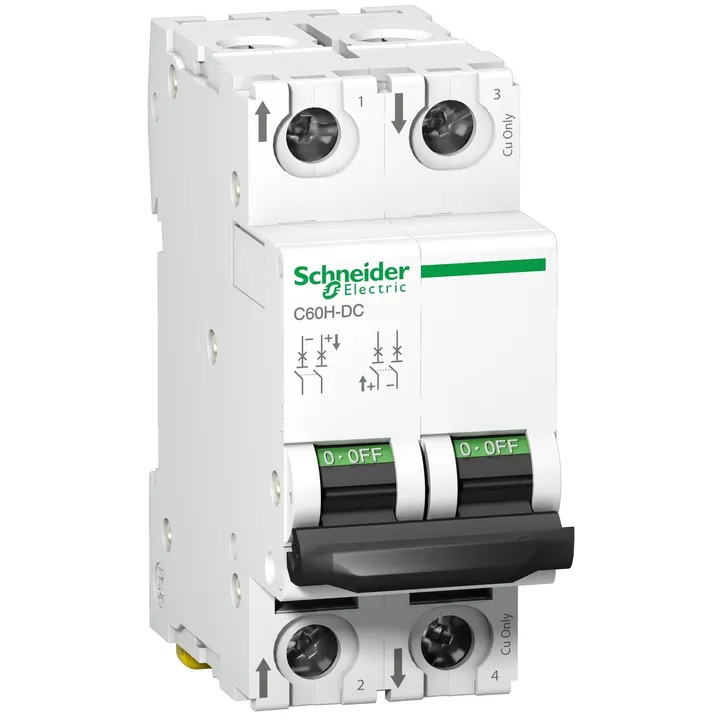
Schneider Acti9 C60H-DC MCB · 2P · 40 A · C curve · 10 kA · A9N61537
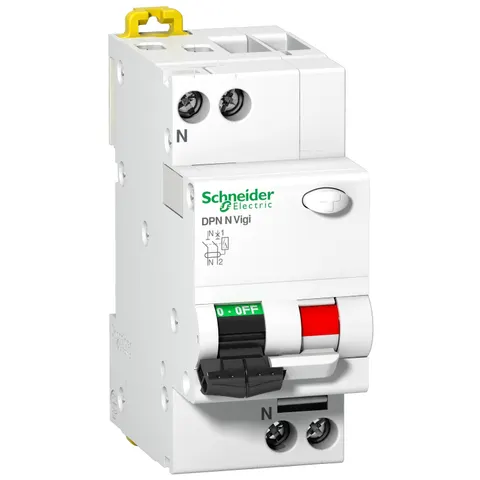
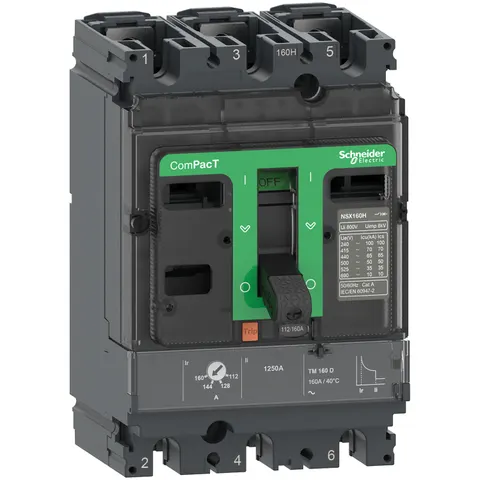
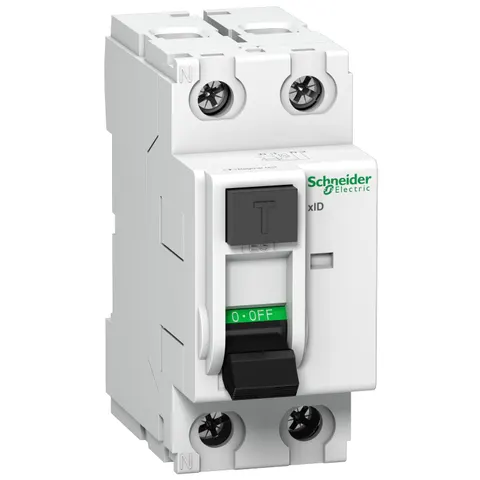
This Acti9 C60H-DC is a low voltage direct current miniature circuit breaker (MCB). It has 2P, rated current 40A and C tripping curve. The rated short circuit breaking capacity goes up to 20kA at 220VDC conforming to GB 14048.2 standard and 20kA at 220VDC conforming to GB 14048.2 standard. This product complies with both industrial standard EN/IEC 60898-1 and residential standard EN/IEC 60947-2. This miniature circuit breaker combines functions of circuit protection against short circuit and overload current, control and isolation. It offers VisiTrip for safety during maintenance and VisiSafe to reduce intervention time. The Acti9 C60H-DC is used in direct current circuit (industrial control and automation, transport, renewable energy). This device is dedicated to industrial control, automations, transport and renewable energy applications. It has an electrical endurance going up to 3000 cycles and a mechanical endurance going up to 20000 cycles. The Ue operational voltage is 500VDC. The Ui rated insulation voltage is 500VDC. The Uimp rated impulse withstand voltage is 6kV. The operating frequency is 50Hz or 60Hz. It is DIN rail mountable. Its width is 4 pitches of 9mm. Pollution d
Which MCB rating do I need for a 1.5 ton split AC?
Many 1.5 ton split ACs are put on a dedicated 16A or 20A MCB (C curve is common) with 2.5 or 4 sq mm copper wire, depending on the rated current on the nameplate and the cable run. Follow the AC's installation manual and have a licensed electrician size the MCB to protect the cable, not just the appliance.
What is the difference between B, C and D curve MCBs?
The curve sets how fast the MCB trips on a surge: B trips at 3-5 times rated current, C at 5-10 times and D at 10-20 times (IS/IEC 60898-1). B suits lighting and resistive loads, C is the usual choice for homes with ACs, fans, motors and pumps, and D is for high inrush loads like transformers and large motors.
What curve is this MCB?
The tripping curve of this MCB is C curve. C is the general-purpose choice for mixed household loads, B suits lighting and resistive circuits, and D is for equipment with heavy inrush current.
What current is this MCB rated for and what wire should I use with it?
This MCB is rated 40 A. As a rough guide for copper wiring in Indian homes, 6-10A usually goes with 1.5 sq mm lighting circuits, 16A with 2.5 sq mm socket circuits and 20-32A with 4-6 sq mm, but cable length and installation method matter, so have a licensed electrician confirm.
Should I use SP or DP MCB for my geyser or AC?
A DP (double pole) MCB switches off both phase and neutral, giving full isolation for high-load or wet-area appliances like geysers, ACs and the main incomer. SP MCBs are fine for normal lighting and socket circuits where only the phase needs protection.
Is 6kA or 10kA breaking capacity better for home?
Breaking capacity is the maximum fault current the MCB can safely interrupt; 6kA is adequate for most homes and 10kA is recommended near large transformers, in commercial buildings or industrial sites where prospective fault current is higher. Choosing 10kA does not change how the MCB behaves on normal overloads.
Will this MCB fit in my existing DB of another brand?
Most modular MCBs mount on a standard 35mm DIN rail and are one module (about 18mm) wide per pole, so they usually physically fit. The front cover cutout height and busbar terminal type can differ between brands, so check the cover alignment before mixing brands in one DB.
Does an MCB protect against electric shock?
No. An MCB protects wiring against overload and short circuit only; protection against shock and earth leakage needs an RCCB or RCBO (typically 30mA) in the same circuit.