

 XB7EV03MPN↓ 40% off1 / 13

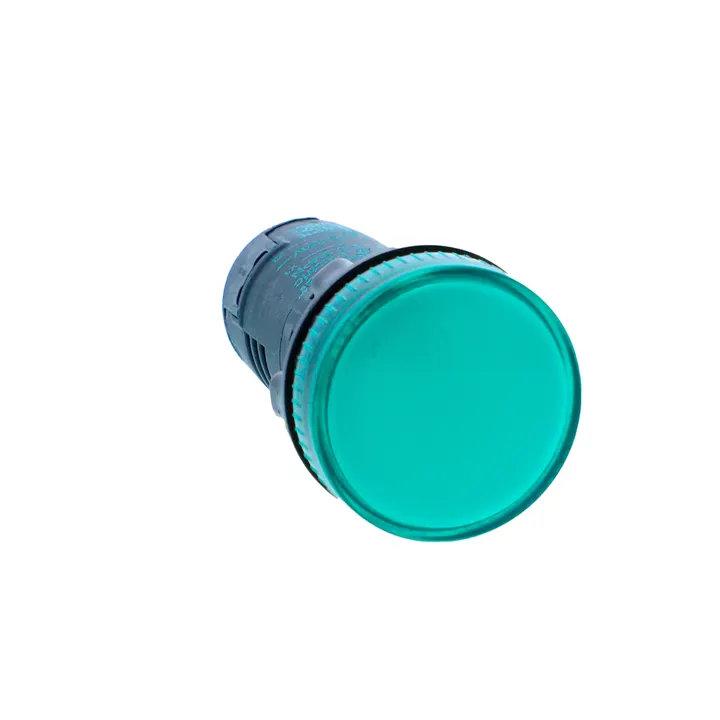
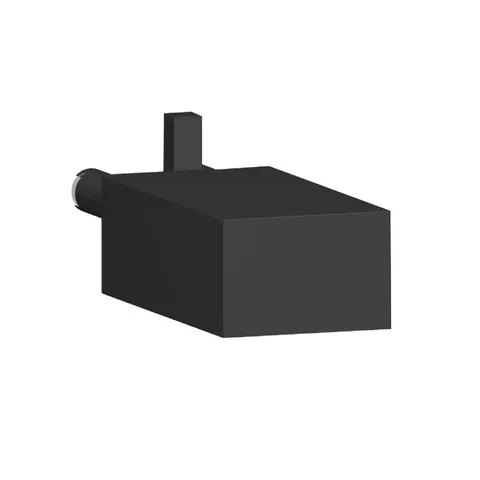
Schneider Harmony XB5N XB7N Pilot Light · 22 mm · LED · 220-240 V AC · Green · XB7EV03MPN
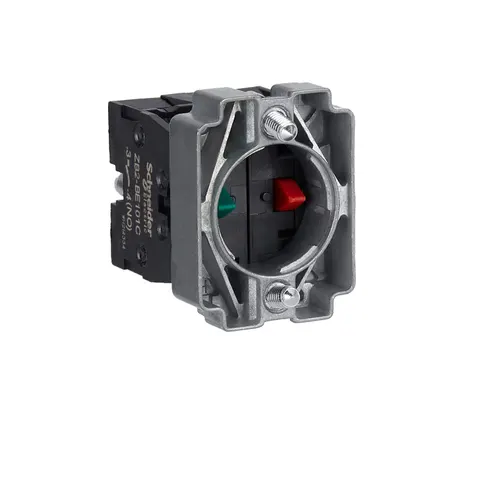
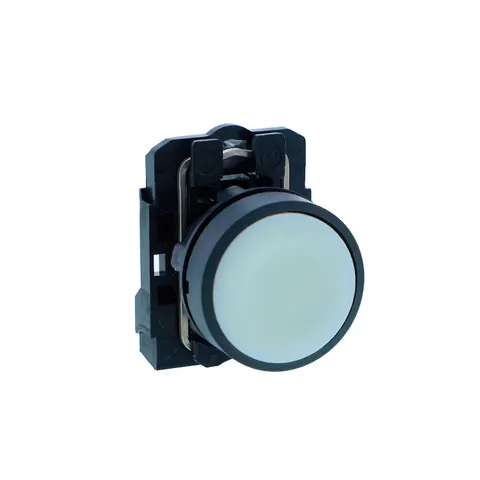
This Harmony XB5N/XB7N, monolithic green pilot light is supplied with 230V AC, uses an integral LED and uses screw clamp terminals. It is easily installed into standard 22mm diameter cut-outs and connected with simple screw-clamp connections. It is clearly distinguishable visually at a distance due to clear colors and illumination via integral LED, enabling complex machine statuses to be read at a glance. It is impact resistant, dust resistant, water resistant and vibration resistant, making it ideal for operation in harsh environments.
What hole size do these push buttons need?
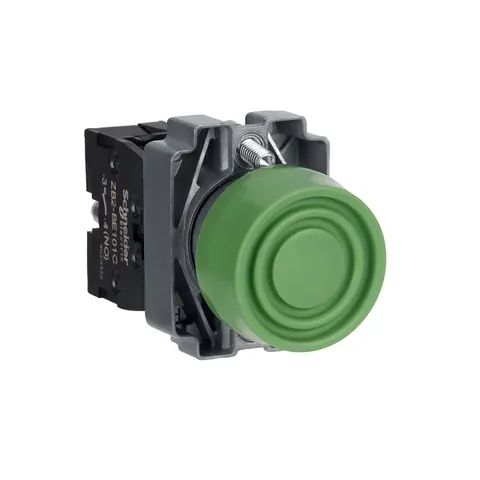
Most industrial push buttons, pilot lights and selector switches use the standard 22 mm size, which needs a panel hole of about 22.3 mm, while some compact ranges use 16 mm. Check the cut-out size in the product datasheet before punching the panel door.
Which colours should I use for start, stop and indication?
Under IEC 60204-1, red is reserved for emergency stop and must not be used for start; start buttons are white (preferred), grey, black or green, yellow indicates an abnormal condition and blue a mandatory action such as reset. Pilot lights in Indian panels commonly use red, yellow and blue to indicate R, Y and B phase presence.
What is the difference between NO and NC contacts?
An NO (normally open) contact closes when the button is pressed and is used for start; an NC (normally closed) contact opens when pressed and is used for stop and emergency stop. Many push buttons accept additional contact blocks to add more NO or NC contacts.
What is the difference between a maintained and spring-return selector switch?
A maintained (stay-put) selector stays in the selected position, used for modes like Auto/Off/Manual, while a spring-return selector goes back to its default position when released, used for jog or momentary actions.
Is an emergency stop push button different from a normal stop button?
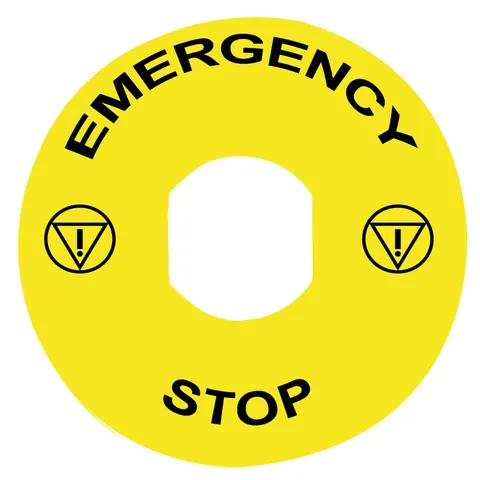
Yes. An emergency stop is a red mushroom head on a yellow background that latches when pressed and needs a twist or key to release, with a positive-opening NC contact (IEC 60947-5-1, IEC 60947-5-5). A normal stop button is momentary and should not be used for emergency stop duty.