

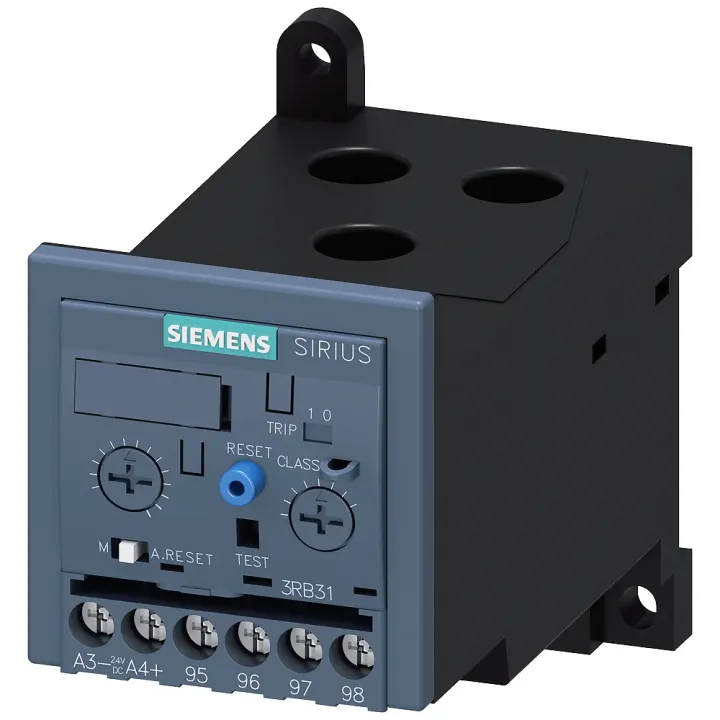
 3RB3133-4UW1↓ 40% off1 / 2

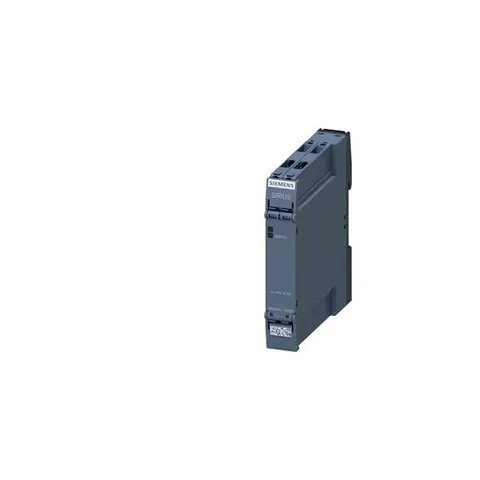
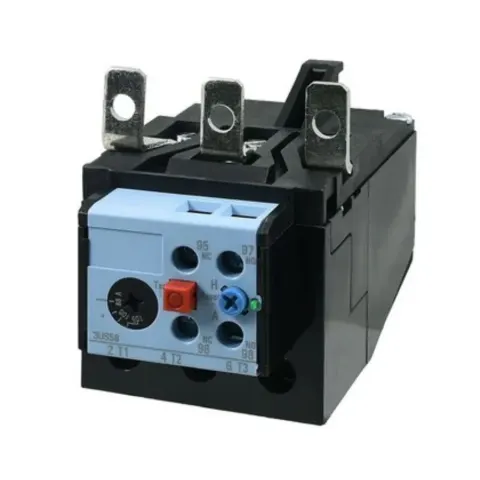
Siemens Sirius 3RB3 Electronic Overload Relay · 12.5-50 A · Class 5-30E settable · Earth fault · Stand-alone · Size S2 · 3RB3133-4UW1
Siemens Sirius 3RB Microprocessor Based Overload Relay 12.5 - 50 A (article 3RB3133-4UW1) is a overload relay from Siemens, 3RB3 series, sold by Elume with a GST invoice and pan-India delivery. Key data: manufacturer product name Overload relay 12.5...50 A Electronic For motor protection Size S2, Class 5E...30E Stand-alone installation Main circuit: Straight-through transformer Auxiliary circuit: Screw Manual-Automatic-Reset Internal ground fault detection, overload range 12.5 - 50 A, reset type Auto/Manual Reset, trip class Class 5-30, operating type Microprocessor Based, size Size S2. Priced at the Siemens India list price of 2026 (MRP before GST Rs 37,000), GST included in the price shown.
What should I set the overload relay to?
Set it to the motor's full-load current from the nameplate, not higher. In a star-delta starter where the relay is in the phase winding circuit, it is set to about 0.58 times the full-load current.
Will this overload relay fit my contactor?
Most overload relays are designed to mount directly on specific contactor sizes of the same brand and range. For other brands or sizes, a separate mounting kit or panel mounting is needed, so check the compatibility list.
Does it protect against single phasing?
Most modern thermal overload relays have differential (single phasing) sensitivity and trip faster when one phase is lost, which helps protect three-phase motors. For full phase failure and phase reversal protection, a phase monitoring relay is also recommended.
What is trip class 10 and class 20?
Trip class indicates the maximum time to trip from cold at 7.2 times the set current: class 10 trips within 10 seconds and class 20 within 20 seconds (IS/IEC 60947-4-1). Class 10 suits normal motors, while class 20 or 30 is used for heavy-starting loads like crushers and fans with large inertia.
What is the difference between manual and auto reset?
In manual reset, someone must press the reset button after a trip, while auto reset lets the relay reset itself once it cools. Manual reset is generally safer, since the motor will not restart unexpectedly.