

Two Way Switches Explained: Where You Need Them and How They Work
- A two way switch lets one light be controlled from two places: staircase top and bottom, bedroom door and bedside.
- It is a changeover switch (three terminals), not just two one-way switches; both switches in the pair must be two-way types.
- The classic locations: staircases, bedrooms (door + bed), long corridors, and large rooms with two entrances.
- Two-way needs an extra wire run between the switch points, so plan it during wiring; retrofitting means new conduit runs.
- One-way and two-way modules look identical from the front; the module's terminal count is what to check when buying.
Everyone has lived the problem the two way switch solves: the staircase light you can switch on at the bottom but must walk back down to switch off, or the bedroom light that forces a barefoot walk to the door after you are already in bed. Two way switching lets two switches anywhere in the room share control of the same light, either one toggling it regardless of the other's position.
This guide explains what the switch actually is, where it earns its small premium, the wiring idea in plain language so you can talk to your electrician as an equal, and the planning step that matters most: two-way runs must be laid before walls close.
What a two way switch actually is
A one way switch is a simple make-or-break: two terminals, on or off. A two way switch is a changeover: three terminals, with the common contact connecting to either of the other two. Pair two of them with a linked run of wire between, and flipping either switch reverses the circuit's state, on becomes off, off becomes on, from both locations, in any combination. That is the entire trick. The front plate looks identical to a one-way module, which is why the terminal count on the back, three instead of two, is what distinguishes them at the counter and in your electrician's material list.
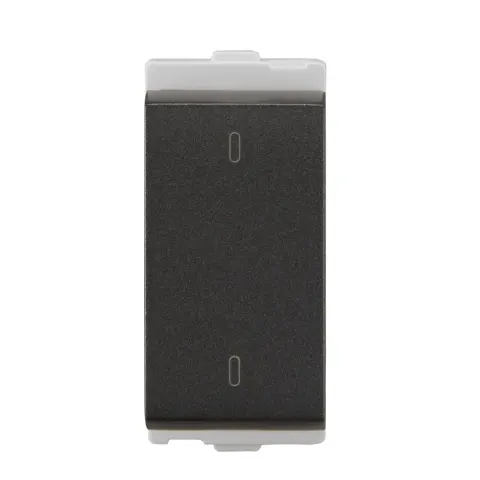
The four classic locations in an Indian home
Staircases are the canonical case: one switch at the bottom, one at the top, the light controllable from both. Bedrooms are the comfort case: main light and fan switchable at the door and again beside the bed, ending the nightly walk in the dark. Long corridors and passages take a pair at the two ends. Large living rooms with two entrances benefit the same way. A useful rule while planning: any room you regularly enter from one side and leave from another, or any light you switch on before a walk you then finish elsewhere, is a two-way candidate. Beyond two locations (rare in homes), an intermediate switch extends the same idea to three or more control points.
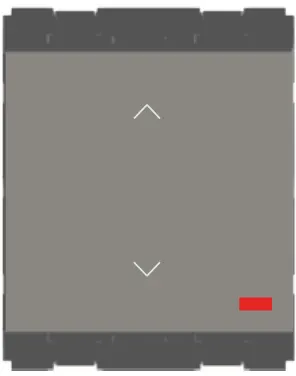
How the wiring works, in plain language
Between the two switch positions run a pair of interconnecting wires (electricians call them strappers or travellers). The phase enters the first switch's common terminal, crosses to the second switch on whichever strapper the first switch selects, and continues to the light only if the second switch is set to that same strapper. Either switch changing its selection makes or breaks the path, which is why both toggles work from any state. The practical consequence: a two-way circuit needs that extra wire run between the two switchboards, which is trivial while conduits are open and disruptive after plastering, hence the planning emphasis.
Planning and cost: pennies now, chiselling later
A two-way module costs modestly more than a one-way, and the second switchboard plus the strapper run adds a few hundred rupees per light while walls are open. Retrofitting the same circuit later means new conduit chases through finished paint, at many times the cost. So the economical moment is the wiring plan: walk each room, mark every light you would want controllable from two spots, and write 'two way' against those points explicitly in the electrician's point list, since a lump-sum 'points' quotation will otherwise default everything to one-way. Contractors and builders wiring multiple rooms should price per-pack: two-way switches in packs of 20 bring the per-point cost down sharply versus loose modules.
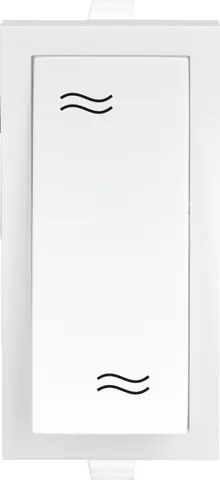
Modern alternatives, and where they fit
Smart switches and modules now offer app or voice control of any light, and retrofit smart modules can add second-point control without new wiring, which rescues finished homes from the missing two-way run. They are genuinely useful there, but they depend on Wi-Fi, apps and mains electronics, and the humble mechanical two-way pair still wins on cost, latency, reliability and the fact that any guest understands it instantly. The sensible modern layout: mechanical two-way pairs for the staircase and bedrooms, smart modules layered on top where automation genuinely adds value (schedules, away modes), rather than as a substitute for basic switching done right.
Buying tips
- Buy two-way modules for BOTH ends of each pair; a one-way at either end breaks the scheme. Check for three terminals on the module's back.
- Match the series and finish of the rest of the switchboard; every major modular range (and most budget ones) includes two-way modules in 6 A and 16 A.
- Specify 'two way' per point in writing in the wiring quotation; default point pricing assumes one-way and the strapper run is extra work.
- For fans, pair the two-way switch with a regulator at the bedside board; switching without speed control solves only half the comfort problem.
- In staircases, position switches at natural reach on entry at each level, and consider a sensor batten as a zero-touch alternative for rarely used service stairs.
- Renovating without open walls? A retrofit smart module behind the existing switch adds second-point control with no chiselling.
Frequently asked questions
What is the difference between a one way and two way switch?
A one way switch simply makes or breaks one path (two terminals). A two way switch is a changeover with three terminals that routes its common contact to either of two paths, letting a pair of them control one light from two locations.
Where are two way switches used in a house?
Staircases (top and bottom), bedrooms (door and bedside), long corridors, and big rooms with two entrances. Any light you want on-off control over from two different spots is the use case.
Can I use a two way switch as a normal one way switch?
Yes; wire the common and one of the two terminals and it behaves as a plain switch. The reverse is not true: a one-way module cannot participate in a two-way pair.
Can a light be controlled from three or more places?
Yes. Two two-way switches at the ends plus an intermediate switch at each additional location extends control to any number of points; hotel corridors work exactly this way. In homes it is rare outside large halls and duplex stairwells.
Can two way switching be added after the house is finished?
Mechanically it needs a strapper run between the two switch points, which means new concealed conduit through finished walls. The non-destructive alternative is a retrofit smart module behind the existing switch, adding app, remote or wireless-switch control without chiselling.
Do two way switches cost much more?
The module itself costs modestly more than a one-way in the same series. The real delta is the extra switchboard and interconnecting run, cheap during wiring and expensive to retrofit, which is why the decision belongs in the wiring plan.
Compare MRP vs the Elume price across brands, with an extra 5% wholesale rate on 15+ units.
Browse the catalogue →