

Lights Flickering at Home? Every Cause From Harmless to Urgent
- One light flickering: the bulb or its switch. Swap the bulb first; it is the five-minute test that solves half of all cases.
- All lights on one circuit flickering: loose connection at the switchboard or DB on that circuit.
- Whole house flickering, especially when heavy appliances start: supply voltage fluctuation, usually the grid or an overloaded feeder.
- Whole house flickering with some lights bright and others dim at the same time: possible loose or broken neutral. That one is urgent; call an electrician the same day.
- LEDs expose problems filament bulbs hid; flicker that began when you switched to LED is often a driver or dimmer mismatch, not the wiring.
Flickering lights are diagnosed by their scope: one bulb, one room, or the whole house. Each scope points to a different layer of the installation, and the elimination takes minutes without tools. Most causes are benign, a tired bulb, a cheap driver, a worn switch, but one pattern, the loose neutral, can put near-double voltage across half your appliances and deserves same-day professional attention.
This guide walks the scopes from smallest to largest, explains why LED lighting flickers in ways old filament bulbs never did, and separates the fix-it-Saturday cases from the call-someone-today cases.
One light: the bulb, nine times out of ten
A single flickering light is almost always its own hardware. LED bulbs flicker as their driver electronics age, long before the LEDs themselves die; heat in closed fixtures accelerates this. The five-minute test: swap in a known-good bulb. Flicker gone, done; flicker persists, the socket or its switch is suspect, and worn switch contacts (often audible as faint crackling, or a switch that needs a 'sweet spot') are the common culprit. Replacing a tired switch is a small job for an electrician. Loose lamp-holder terminals in old battens produce the same symptom and the same easy fix.
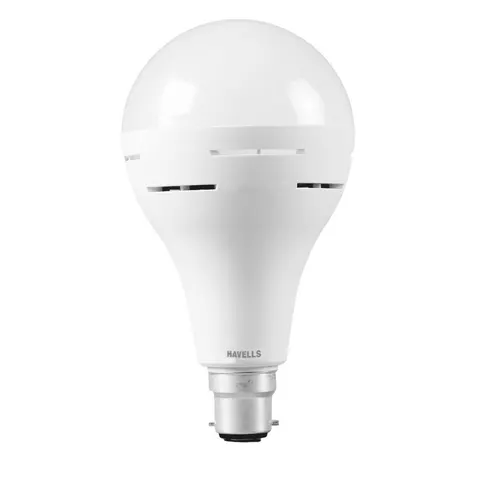
LEDs on dimmers and electronic switches: mismatch flicker
If the flicker arrived with an LED upgrade, suspect compatibility, not wiring. Old leading-edge dimmers designed for filament loads chop power in a way many LED drivers cannot smooth, producing flicker, shimmer at low settings, or a refusal to dim below a threshold. Non-dimmable LEDs on any dimmer flicker by design. Fixes in order: buy dimmable LEDs explicitly, pair them with a trailing-edge dimmer rated for LED loads, or replace the dimmer with a plain switch. Related oddities, LEDs glowing faintly when off, or blinking once every few seconds, usually trace to electronic switches, indicator neons, or two-way circuits leaking milliamps through the driver.

One circuit or room: a loose connection upstream
When every light on one switchboard or one MCB's circuit flickers together, the shared point is the problem: a loosened phase or neutral termination at that switchboard, a junction box on the run, or the circuit's breaker terminal at the DB. Connections loosen through years of thermal cycling, and a loose joint both flickers and heats. Supporting evidence: flicker that worsens when you tap the board, a warm switch plate, or any browning around terminals. This is an electrician visit, not a DIY tighten; the fix is re-terminating the joint properly, and it should not wait many weeks, since arcing joints degrade in one direction only.
Whole house, tied to appliances: voltage sag
Lights across the house dipping in sympathy when the pump, geyser, AC compressor or a neighbour's welder starts is voltage sag: the supply drops momentarily under heavy load and LEDs faithfully report it. Occasional mild dips are normal life on a shared feeder. Frequent deep dips point to an overloaded or undersized supply, a weak service connection, or genuinely poor grid voltage; a plug-in voltmeter or your inverter's display will show the swings. Remedies scale with severity: dedicated circuits for heavy appliances, correcting any undersized service cable, a stabiliser for sensitive equipment, and for chronic low voltage, a complaint to the utility with measured evidence, which does move faster than folklore suggests.
Whole house, bright-and-dim together: the loose neutral emergency
One flicker pattern is genuinely dangerous: lights in part of the house running bright while others run dim, shifting as loads switch, sometimes with bulbs popping or electronics dying. That is the signature of a loose or broken neutral, at the DB, the meter, or the utility's joint. With the neutral compromised, the 230 V splits unevenly across the phases' loads, and some sockets can see far above normal voltage. Treat it as urgent: switch off sensitive appliances, and get an electrician or the utility the same day. It is rare, it is unmistakable once you know the sign, and knowing it is half the reason this guide exists.
Buying your way out of flicker: what actually helps
Quality LED products are the cheapest systemic fix: bulbs and battens with well-designed drivers hold light output steady through the voltage wobble that makes budget LEDs shimmer, and models with wide input ranges (and surge ratings of 2.5 kV or better) shrug off the events that kill cheap drivers early. Where supply is chronically poor, an inverter bulb in key rooms rides through dips and cuts entirely. Sensor and emergency battens cover staircases without wiring changes. What does not help: stacking a stabiliser in front of lighting circuits as a first resort; fix connections and product quality first, and reserve stabilisers for the appliances that need them.

Buying tips
- Diagnose by scope before spending: one light (bulb or switch), one circuit (a connection), whole house (supply or neutral). The scope is the diagnosis.
- Swap-test bulbs first; it resolves half of all flicker complaints for the cost of walking to another room.
- Buy dimmable LEDs only for dimmer circuits, and pair them with trailing-edge LED-rated dimmers; mismatch is the top cause of new-LED flicker.
- Choose branded bulbs and battens with wide voltage ranges and 2.5 kV surge protection; driver quality is exactly what separates them from bazaar stock.
- Ask your electrician to re-torque DB and switchboard terminations during any visit; ten minutes of tightening prevents the loose-joint class of flicker entirely.
- Learn the loose-neutral signature (some lights bright, others dim, shifting with loads) and treat it as a same-day call, not a weekend project.
Frequently asked questions
Why do my LED lights flicker when the AC or pump starts?
The heavy motor's start-up briefly sags the supply voltage and LEDs report the dip faithfully. Occasional mild dips are normal; frequent deep ones suggest the appliance needs a dedicated circuit, the service cable is undersized, or grid voltage is genuinely poor.
Is flickering a sign of dangerous wiring?
Usually not: bulbs, drivers and dimmer mismatches dominate. The exceptions worth urgency are circuit-wide flicker from a loose (possibly heating) connection, and the bright-and-dim whole-house pattern of a failing neutral, which needs same-day attention.
Why does one light flicker even after changing the bulb?
The switch or the fixture's terminals. Worn switch contacts and loose lamp-holder terminations produce identical symptoms to a dying bulb; replacing the switch or re-terminating the holder is a quick electrician job.
Why do my new LEDs flicker on the dimmer that worked with old bulbs?
Old leading-edge dimmers were designed for filament loads. Many LED drivers cannot smooth their chopped waveform, so you get shimmer or a dead zone. Use dimmable LEDs with a trailing-edge LED-rated dimmer, or replace the dimmer with a plain switch.
Why do LEDs glow faintly even when switched off?
Tiny leakage currents, through indicator neons, electronic switches, or capacitance on long two-way runs, are enough to light an efficient LED dimly. It is harmless; fixes include switches without indicators or a small bypass capacitor fitted by an electrician.
When are flickering lights an emergency?
When parts of the house run abnormally bright while others run dim, when flicker comes with burning smells or hot switch plates, or when bulbs pop and electronics fail together. Those patterns mean a failing neutral or an arcing joint; act the same day.
Compare MRP vs the Elume price across brands, with an extra 5% wholesale rate on 15+ units.
Browse the catalogue →